Eco-Friendly Garden Waste Disposal: Nurturing Your UK Garden, Responsibly
Gardening is fantastic, offering a slice of nature right on our UK doorstep. But let's be honest, all that pruning, mowing, and weeding generates a fair bit of garden waste! While it's tempting to just chuck it in the general bin, there are far better, more environmentally friendly ways to deal with your green goodies. These methods not only reduce landfill waste but also give your garden a healthy boost.
At MowWithUs.com, we're all about helping you maintain a beautiful garden, and that includes advising on sustainable practices. So, let's dig into some of the best eco-friendly garden waste disposal options for the savvy UK gardener.

What is "garden waste" anyway?
Generally, it's anything organic from your garden:
-
Grass clippings
-
Hedge trimmings
-
Fallen leaves
-
Small branches and twigs
-
Weeds (non-invasive types)
-
Old bedding plants and cut flowers
-
Vegetable scraps from your garden
Knowing what's what helps you decide on the best disposal method.
The Power of Composting: Your Garden's Best Friend
When it comes to eco-friendly garden waste disposal, composting is king. It's nature's recycling process, turning your green waste into a rich, nutrient-filled soil improver that your plants will love. Think of it as free, homemade plant food!
Why compost?
-
Reduces landfill: Keeps tons of organic material out of landfills, preventing harmful methane gas production.
-
Enriches your soil: Improves soil structure, boosts fertility, and helps retain moisture, reducing the need for chemical fertilisers.
-
Saves money: No more buying compost or constantly paying for council green waste collections.
How to get started with home composting in the UK:
It's simpler than you think! You need a mix of "green" (nitrogen-rich) and "brown" (carbon-rich) materials, air, and moisture.
-
Green materials: Grass clippings, fruit and veg scraps, fresh plant trimmings, annual weeds.
-
Brown materials: Shredded woody prunings, dry leaves, straw, plain cardboard, scrunched-up newspaper.
-
Aim for a good mix – roughly 50% green to 50% brown.

Choosing your compost bin:
You can make a simple heap, but a dedicated compost bin is tidier. You can buy compact plastic bins for smaller gardens, or larger wooden bays for bigger spaces. Position your bin in a sheltered, shady spot directly on the soil for drainage and worm access.
Top composting tips:
-
Chop it up: Smaller pieces break down faster. Pruning Saws, Secateurs or Shears can help with this. A garden shredder or wood chipper (which you'll find a great selection of on our site!) are also brilliant for tackling larger branches or big amounts of green waste, turning them into excellent filler. These can be expensive so only worth considering if you have a lot of material to compost regularly.
-
Aeration is key: Turn your compost regularly with a garden fork to introduce air.
-
Don't add everything: Avoid cooked food, meat, fish, dairy, diseased plants, pernicious weeds (like bindweed), and pet waste from meat-eating animals.
Beyond the Compost Bin: Other Eco-Friendly Options
While composting is fantastic, it's not the only way to manage your garden waste responsibly.
-
Council Garden Waste Collections: Many local councils in the UK offer a garden waste collection service. You often pay a small annual fee for a dedicated green bin, collected fortnightly or seasonally. This is convenient for larger volumes of grass clippings, hedge trimmings, and general green waste that might overwhelm your home compost. Always check with your local council for specific rules and accepted materials.
-
Household Waste Recycling Centres (HWRCs) / The Tip: Your local recycling centre (often known as "the tip") is great for garden waste you can't compost at home. They usually have designated bays for green waste, which is then commercially composted or used for other purposes. If you're tackling a big clear-out with larger branches, soil, or old fence panels, the HWRC can be a lifesaver. Check their opening times and any restrictions.
-
Mulching: This is a brilliant method for enriching your soil and suppressing weeds, often directly in your garden. Grass clippings can be left on the lawn (if cut frequently and not too thick) or used as a light mulch around plants. Shredded leaves and wood chips (easily made with a garden shredder or leaf blower with shredding function – another handy range on MowWithUs.com!) make excellent mulches for borders and vegetable patches. Mulching helps retain soil moisture, regulates soil temperature, and slowly releases nutrients. You can view our range of Mulch Mowers HERE.
-
Leaving it to nature: For some parts of your garden, doing nothing is the best eco-friendly option! Piles of logs or carefully placed branches can create valuable habitats for wildlife like hedgehogs and insects. Leaving some areas of your lawn a little longer or allowing leaves to accumulate under shrubs can also benefit local ecosystems.

When to Seek Professional Assistance
Certain scenarios, such as extensive garden renovations or large-scale clean-ups, may necessitate the consultation of professionals to ensure safe and regulatory-compliant waste handling. Professional Gardeners or Tree Surgeons are well-equipped to identify potential hazards and suggest the most effective disposal techniques, or assist in removing any waste themselves. Larger machinery like shredders and woodchippers can be expensive purchases for single use, but professionals can come equipped and ready to take action.
Tips for Regular Garden Clean-Ups
Regular garden clean-ups are a fundamental part of maintaining an attractive and eco-friendly outdoor space. Setting a routine schedule for tidying up loose leaves, branches, and other waste helps prevent the buildup of debris. Consistent maintenance ensures that your garden remains a safe and healthy environment year-round.
Making eco-friendly garden waste disposal easier often involves the right tools. Here at MowWithUs, we stock a variety of equipment to help you process your garden waste efficiently and sustainably:
-
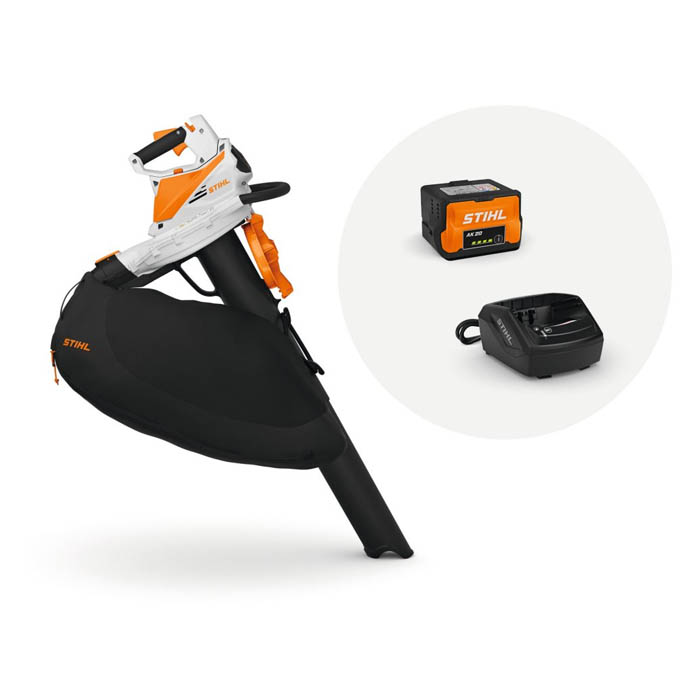
Leaf Blowers and Vacuums: Perfect for clearing & gathering fallen leaves. Many models also feature a shredding function, compacting leaves for easier composting or disposal.
-
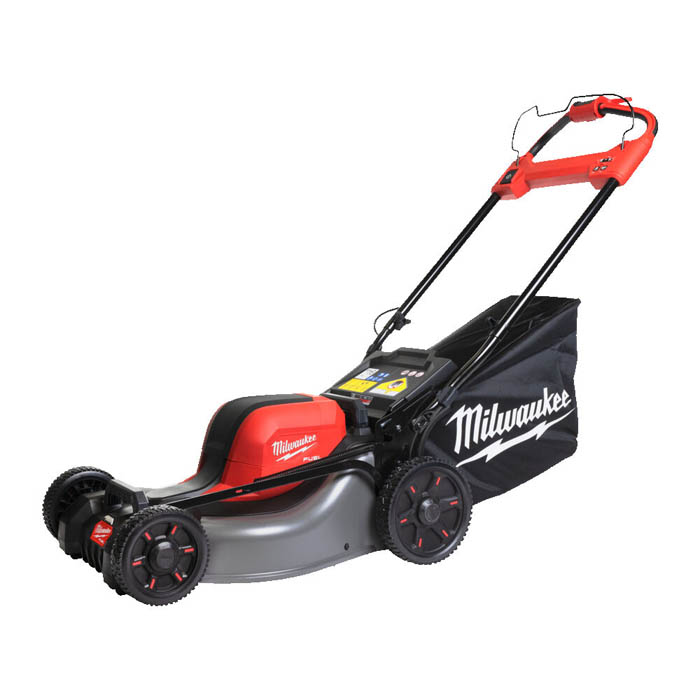
Collecting or Mulching Lawnmowers: Ideal for gathering grass clippings everytime you use your lawn. Collection means you can add the clippings from the grass bag to your compost pile, while mulching mowers will chop the grass into very small peices and re-distribute as you mow straight back onto the grass, as a natural fertilizer.
-
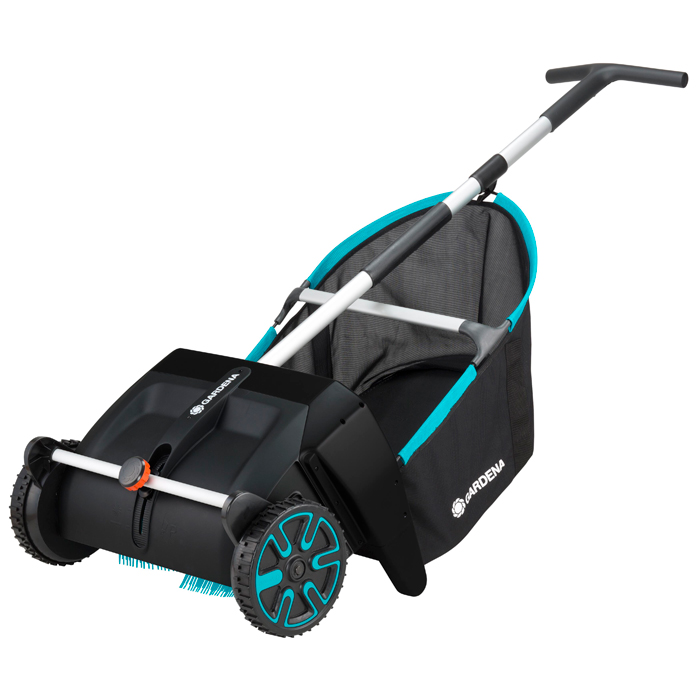
Sweepers: Sweepers can be a much quieter way of collecting leaves or other smaller debris. Its often a lot easier to recycle garden waste once its collected in one place, and the sweepers can cover larger areas a bit quicker.
-
Garden Shredders & Wood Chippers: Essential for reducing bulky branches into manageable, compostable chips or mulch. This means fewer trips to the tip and more valuable material for your garden. However, these can in the more expensive end of equipment, so perhaps only worth considering if you have a large amount of waste quite regularly.
By embracing these eco-friendly methods, you're not just getting rid of garden waste; you're actively contributing to a healthier environment and a thriving garden. So next time you're out tending to your patch, think green, think responsible, and remember that your garden waste is a valuable resource, not just rubbish.