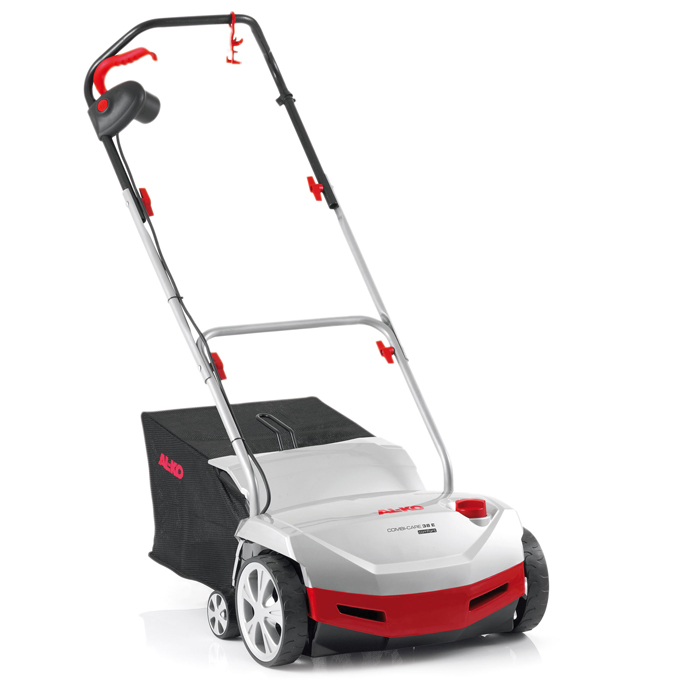
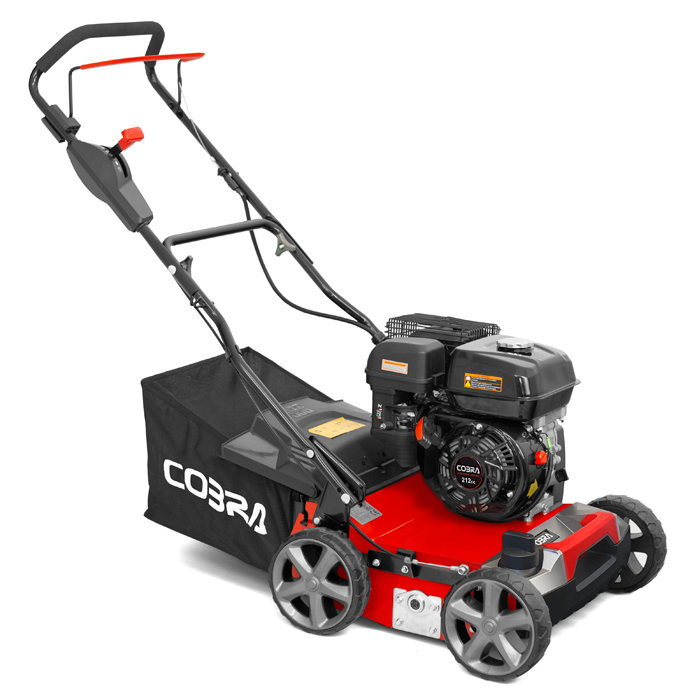
Why Scarifying Your Lawn Makes a Real Difference
Scarifying is one of those lawn care jobs that can look a bit brutal at first glance, but it’s also one of the most beneficial things you can do for a healthy lawn. If your grass looks tired, spongy underfoot, or struggles to stay green despite regular mowing and feeding, chances are scarifying is exactly what it needs.
At its core, scarifying is about removing thatch. Thatch is the layer of dead grass, moss and organic debris that builds up between the soil and the green grass above it. A small amount is normal, but when it becomes too thick it starts to cause problems.
Why Thatch Is Bad for Your Lawn
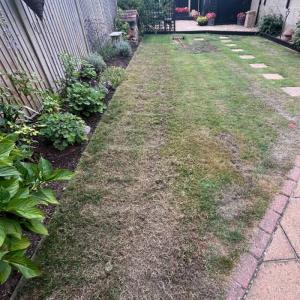
Excess thatch acts like a barrier. Water, air and nutrients struggle to reach the soil where the roots need them most. Over time, this can lead to weak grass growth, shallow roots and an increase in moss and weeds.
You might notice:
-
Water pooling on the surface after rain
-
A bouncy or spongy feel underfoot
-
Grass that looks thin or patchy
-
Moss taking over shaded or damp areas
Scarifying tackles this build-up directly by lifting out the unwanted material and opening the lawn back up.
The Benefits of Scarifying
Although lawns often look worse before they look better, the long-term benefits are well worth it.
Scarifying helps improve airflow through the lawn, which supports healthier root growth. It also allows water and fertiliser to penetrate the soil more effectively, making every feed or treatment you apply work harder.
By removing moss and dead material, scarifying creates space for new grass to grow. This is why it’s often paired with overseeding. Once the surface is opened up, new seed has a much better chance of establishing successfully.
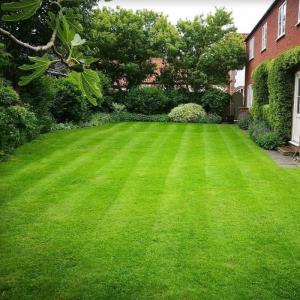
Over time, regular scarifying leads to a thicker, greener and more resilient lawn that copes better with wear, weather and seasonal stress.
When Should You Scarify?
Timing matters. Scarifying is best done when grass is actively growing so it can recover quickly.
For most lawns, this means:
-
Spring, once temperatures rise and growth starts
-
Early autumn, when conditions are mild and moist
Scarifying during very hot, dry weather or during winter is best avoided, as recovery will be slower and the lawn may struggle.
Is Scarifying Just for Lawns?
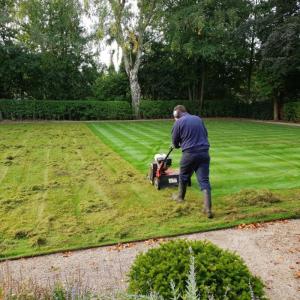
Not at all. Scarifying is equally important for sports turf, estate grounds and larger grassed areas. In fact, professional turf managers rely on regular scarifying to maintain playing quality and surface consistency.
Whether it’s a small garden lawn or a large open space, the principle is the same. Remove what doesn’t belong, give the grass room to breathe, and encourage stronger growth.
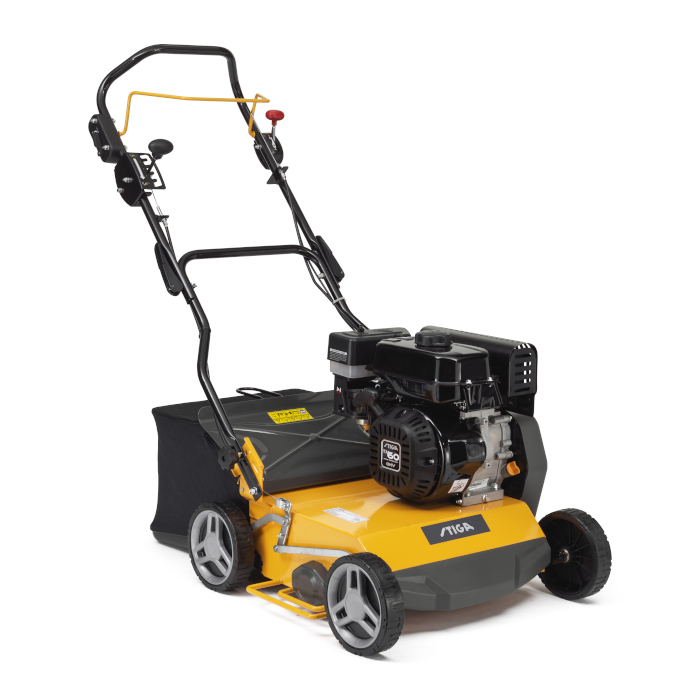
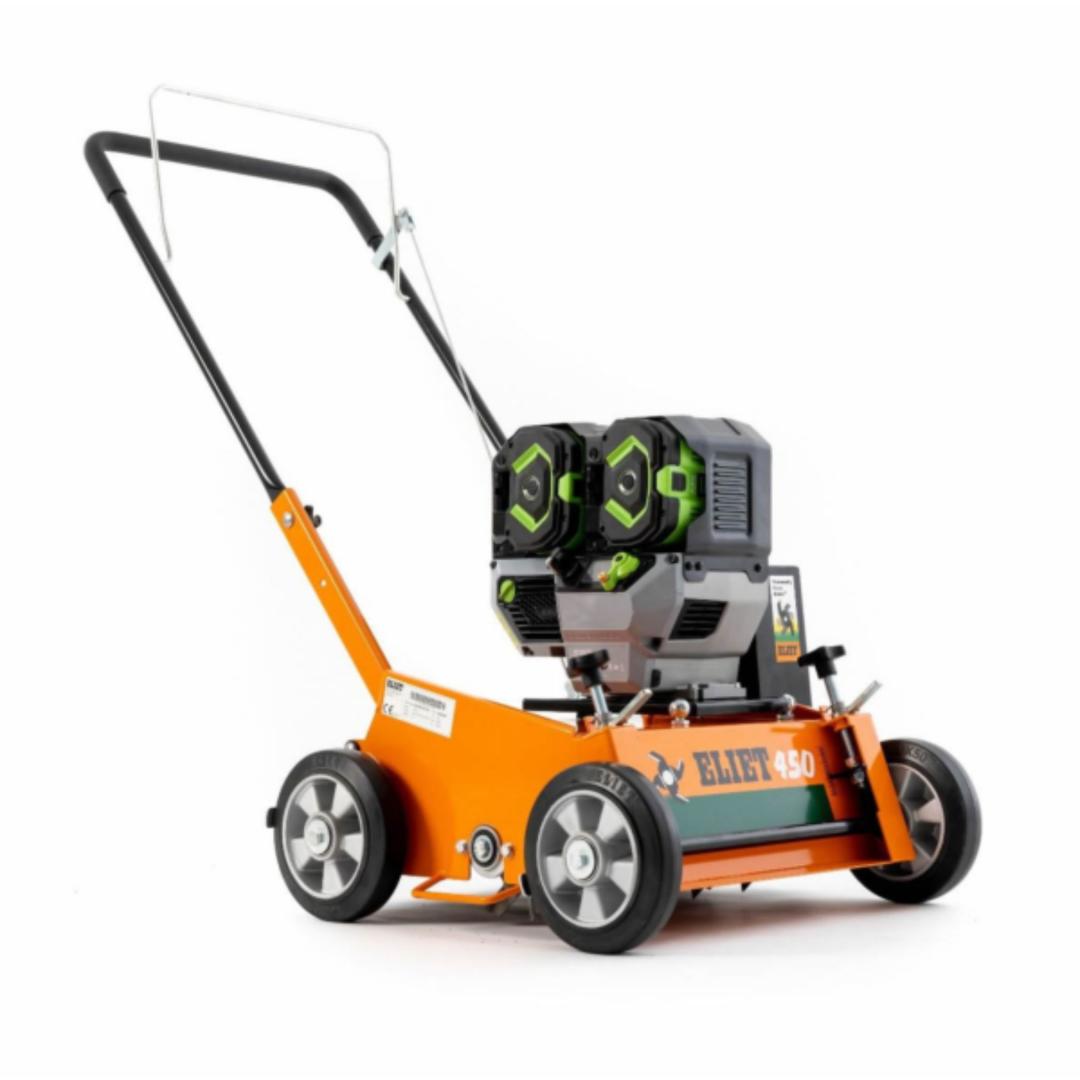
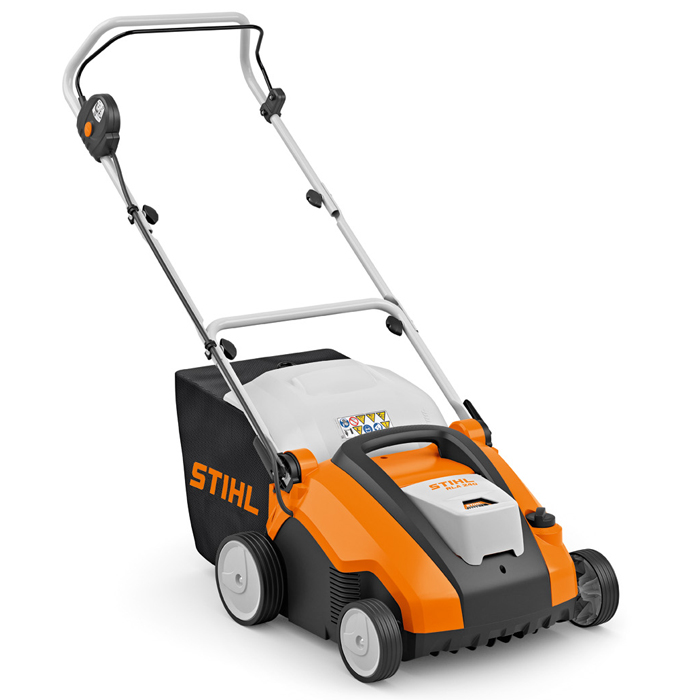
To find out more about the range of scarifiers at Winchester Garden Machinery, click here.