Revive Your Lawn: Expert Tips for Repairing Bare Patches
Understanding the Importance of Repairing Bare Patches
Maintaining a healthy lawn is paramount to good garden care, and repairing bare patches plays a crucial role in preserving its lush appearance. By addressing these gaps promptly, you ensure that your garden remains a vibrant and welcoming space. Overlooking bare patches can detract significantly from the overall aesthetics of your lawn, leaving it looking uneven and neglected.
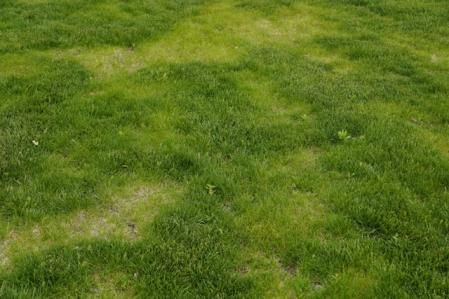
Repairing these bare patches offers long-term benefits by preventing soil erosion and reducing pest issues. Taking the time to restore your lawn demonstrates a commitment to high standards of garden care, which is essential for any keen gardener, as well as contributing to a healthier ecosystem.
Identifying the Causes of Bare Patches
Several factors can lead to the development of bare patches, including poor soil conditions, pest damage and the effects of heavy foot traffic. For instance, constant use of an area can compact the soil and inhibit proper seed growth. In addition, environmental stresses such as extreme weather conditions often exacerbate these problems. Recognising these factors early on enables you to adopt preventive measures and safeguard your lawn.
Identifying the precise cause requires careful inspection and a methodical approach to garden care. A detailed diagnosis might involve checking for signs of insects, disease, or inadequate drainage. Understanding the root cause is essential, as it guides the selection of appropriate remedial actions. Addressing the underlying issue is key to preventing future occurrences and ensuring a resilient, healthy lawn.
Preparing the Soil for Lawn Repair
Effective lawn repair begins with thorough soil preparation, which is critical for optimal seed germination. Start by clearing any debris or dead grass from the affected area to create a clean working surface. A scarifier can help with thatch in the lawn, or doing it manually with a rake can work too. Loosening the soil allows for the incorporation of essential amendments that improve soil fertility and structure. This foundational step paves the way for successful lawn restoration.
It is imperative to ensure the soil is well aerated, as compacted ground can hinder both water absorption and root penetration. Using a garden fork or a specialised aerator can significantly improve soil structure and openness. Enriching the area with quality topsoil provides the vital nutrients necessary for robust plant growth. Such meticulous preparation greatly increases the chances of achieving thriving new growth.
Improving soil conditions may further involve adding organic matter, such as compost, to boost nutrient levels organically. Regularly checking the soil pH can also help determine the appropriate type of fertiliser needed. A well-prepared soil environment not only encourages seed germination but also supports sustainable lawn health over time. Adhering to these tips ensures that your repair efforts yield a lush, resilient lawn.
Choosing the Right Grass Seed for Your Lawn
Selecting the correct grass seed is a vital step towards achieving even coverage and long-lasting durability. It is important to consider factors such as local climate, soil type and the amount of sunlight the lawn receives. Matching these conditions with the seeds characteristics ensures an adaptable and vigorous lawn. Expert advice, as echoed by reputable sources in the industry, can help solidify your decision.
Different varieties of grass seed perform optimally under certain weather conditions, so it is essential to choose one that suits your environment. For instance, cool-season grasses may be ideal in temperate regions, while warm-season varieties might better suit sunnier, drier locales. Optimal seed selection encourages consistent growth and the ability to withstand regular wear. Ensuring compatibility between the seed and existing conditions is paramount for successful coverage and sustained lawn vibrancy.
Watering and Maintenance for Successful Germination
Consistent watering plays a key role in supporting both seed germination and the early stages of growth. After sowing, it is crucial to keep the soil uniformly moist so that the new seeds do not dry out prematurely. Care should be taken to avoid overwatering, as excessive moisture can lead to fungal infections and weakened plant development. A balanced watering routine lays the foundation for a successful and healthy lawn.

Regular maintenance practices are equally important to nurture the freshly sown seeds. It is advisable to integrate light fertilisation and diligent weed control to provide essential support for the seedlings. Maintaining a consistent routine not only aids in establishing a strong root system but also contributes to overall lawn health. These best practices are critical for achieving a vibrant and thriving lawn.
Protecting Your Newly Sown Seeds
Safeguarding your fresh seeds is as crucial as the initial repair process. Employing methods such as mulching or using a seed blanket can effectively protect the seeds from birds and adverse weather conditions. These protective measures help create a stable microenvironment that is conducive to seed germination. Ensuring proper protection enhances the likelihood of successful growth and a uniform lawn.
In addition to protection from external elements, these physical measures assist in retaining valuable soil moisture. A thin layer of organic mulch, for example, acts as a barrier against harsh sunlight and temperature fluctuations. This additional step reinforces your commitment to long-term lawn health and sustainability. Adjusting these protective measures based on seasonal patterns will further optimise seed safety and growth potential.
Maintaining a Healthy Lawn to Prevent Future Bare Patches
Ongoing lawn maintenance is essential for the prevention of future bare patches. Regular practices such as mowing, fertilisation, and pest control foster a consistently lush and even lawn. Proactive care minimizes the likelihood of recurring issues and enhances the overall vitality of your garden. Such sustained attention serves as a deterrent against new problems and maintains the aesthetic appeal of your outdoor space.
Implementing a routine maintenance schedule aids in the early detection and resolution of potential issues. Timely interventions, like aerating or overseeding vulnerable areas, can preserve your lawns integrity throughout the seasons. This commitment to continual care not only enhances environmental sustainability but also adds significant curb appeal to your property. A well-tended lawn stands as evidence of diligent maintenance and a proactive approach to garden care.