
The Three Pillars of Lawn Care: Collect, Discharge, or Mulch
When it comes to maintaining a healthy, great-looking lawn, how you manage grass clippings is just as important as how often you mow. At WGM Ltd, we often see gardeners stick to a single routine without realising there are three core lawn mowing methods - each offering different benefits depending on your garden type and lawn care goals.
Understanding the difference between cut and collect lawn mowing, cut and drop (grass discharge), and mulching lawn care is the first step toward achieving a professional lawn finish and improving overall lawn health.
Cut and Collect:
The cut and collect lawn mowing method is the most popular choice for domestic gardens. As you mow, the blades lift and cut the grass, while a high-powered airflow system directs the clippings into a rear or side-mounted collection box.
This method is ideal for homeowners who want a tidy, well-maintained lawn with no visible debris.
Best for:
Ornamental lawns and formal gardens where a “bowling green” finish is desired.
Pros:
- Leaves the lawn completely clear of clippings
- Helps prevent thatch build-up for healthier turf
- Ideal for damp conditions where grass clippings may clump
Cons:
- Requires regular stopping to empty the grass collector
- Removes natural nutrients, often requiring fertiliser for lawn maintenance
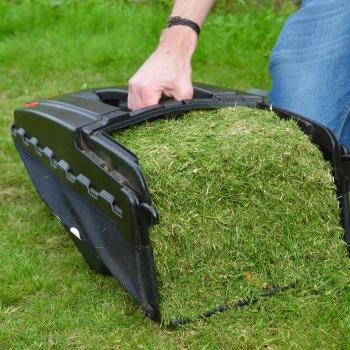
Cut and Drop (Grass Discharge):
The cut and drop method, also known as side discharge or grass discharge mowing, is commonly used for larger or less formal areas such as paddocks, orchards, or overgrown lawns. Instead of collecting clippings, the mower simply cuts the grass and ejects it back onto the lawn through a discharge chute.
This is one of the fastest grass cutting methods available.
Best for:
Large gardens, rough grass areas, or lawns where appearance is less important.
Pros:
- Fast and efficient lawn mowing with no need to empty a collection bag
- Handles long, thick, and overgrown grass with ease
- Ideal for low-maintenance lawn care
Cons:
- Can leave visible rows of grass clippings
- Thick clumps may block sunlight and affect healthy grass growth

Mulching:
Mulching lawn mowing is an advanced and environmentally friendly method. Instead of collecting or discharging clippings, the mower keeps them inside the cutting deck, where specialised mulching blades finely shred them into tiny particles. These are then redistributed back into the lawn.
This process supports organic lawn fertilisation by returning nutrients directly to the soil.
Best for:
Regularly maintained lawns and eco-conscious gardeners looking for sustainable lawn care solutions.
Pros:
- Eliminates green waste and reduces disposal needs
- Acts as a natural lawn fertiliser
- Improves soil moisture retention and lawn health
Cons:
- Requires a dedicated mulching mower or mulching plug
- Not suitable for long, wet, or overgrown grass
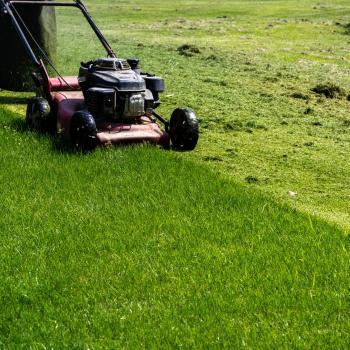
Choosing the Best Lawn Mowing Method
Each of these lawn mowing techniques has its place, and the right choice depends on your lawn type, mowing frequency, and desired finish. For a clean, professional look, cut and collect lawn mowing is often best. For speed and efficiency, grass discharge mowing is ideal. And for eco-friendly maintenance and long-term lawn health, mulching provides the greatest benefits.
By understanding and using the right lawn care method, you can improve your mowing results, enhance grass health, and achieve a consistently high-quality finish with every cut.
Related Product
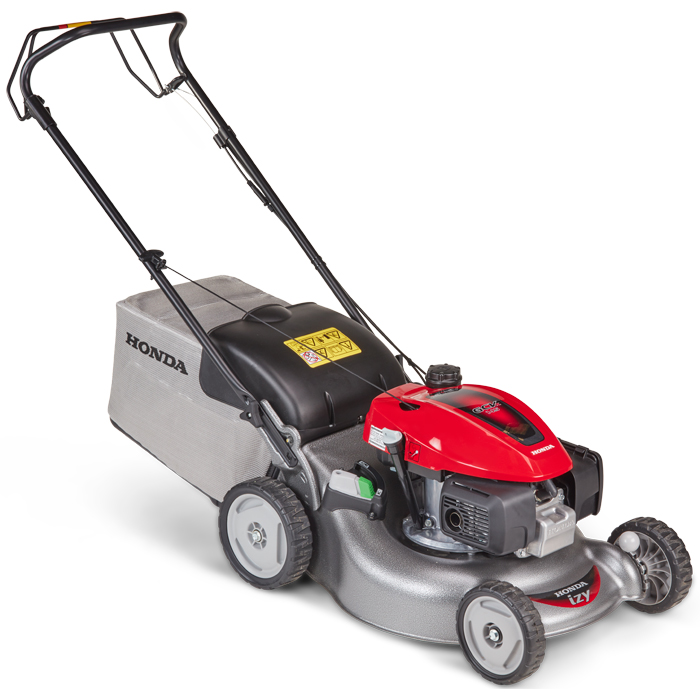
Honda IZY HRG 466 SK EP 18" Self Propelled Mulching Petrol Lawn Mower
£638.00 (Inc VAT)
Out of Stock
Product Link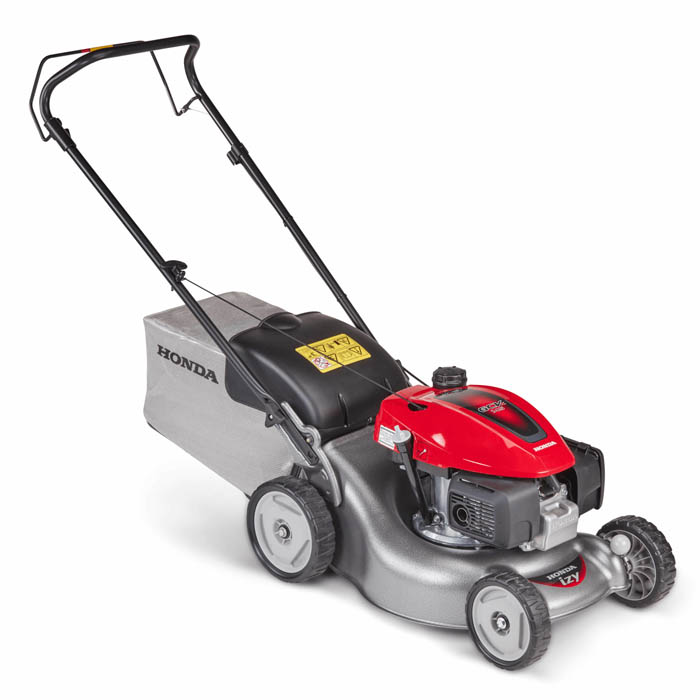
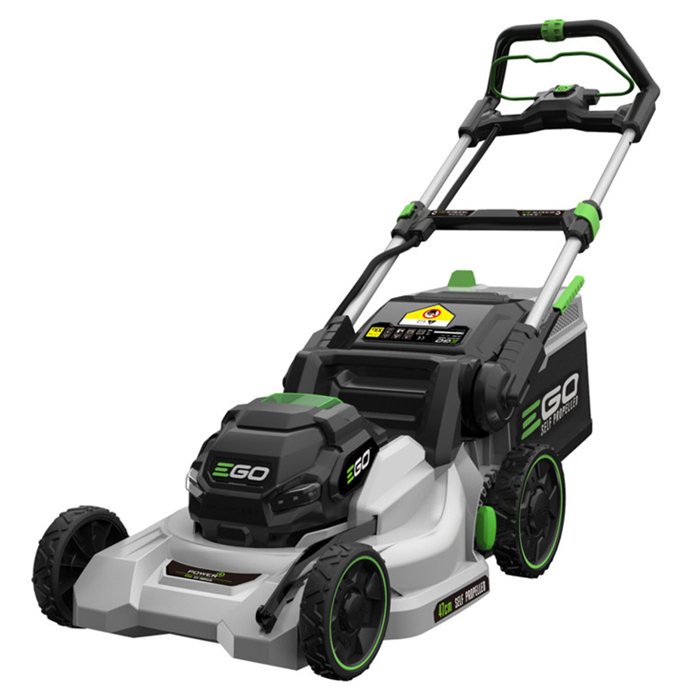
EGO LM1903E-SP 19" Battery Variable Speed Lawn Mower Kit
£575.00 (Inc VAT)
Out of Stock
Product Link