The Master Guide to Seasonal Lawn Care: Science, Timing, and Machinery
A healthy, thick, deep-green lawn doesn’t happen by accident. It is the direct result of steady, well-timed biological intervention carried out with the right technical approach—and professional-grade garden machinery.
When establishing a successful annual lawn care programme, the secret lies in working with the grass rather than fighting it. Lawns respond dynamically to soil temperatures, daylight hours, and moisture levels. Push them mechanically too early in the year and you risk tearing the turf or shocking the roots; leave your renovation work too late and you miss the ultimate windows for recovery.
This chronological master guide breaks down exactly what your grass needs from late winter through to the final frost, detailing the precise techniques and specialized machinery required to achieve a golf-course finish at home.
1. Late Winter (February – Early March): Preparation, Not Intervention
As we move through the tail end of winter, patience is your greatest asset. Although a few mild days might tempt you to fire up a scarifier or drop down heavy fertilizer, UK lawns are still firmly semi-dormant. The soil profile is cold, typically waterlogged, and active root metabolism is practically at a standstill.
[Late Winter: Debris Clearance] ➔ [Early Spring: Gentle Awake / High Cut] ➔ [Autumn: Deep Renovation]
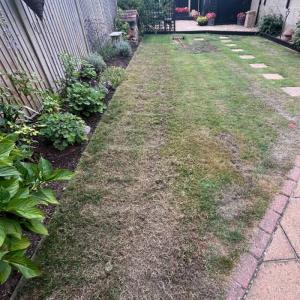
Operational Tasks
- Debris Management: Focus purely on surface hygiene. Explore our comprehensive range of high-velocity petrol and cordless cordless options in our Leaf Blowers & Vacuums category to clear lingering autumn leaves, twigs, and storm debris. Allowing organic debris to rot on a cold lawn smothers the grass blades, starves the soil of light, and creates a damp microclimate where fungal diseases like Fusarium Patch (Snow Mould) thrive.
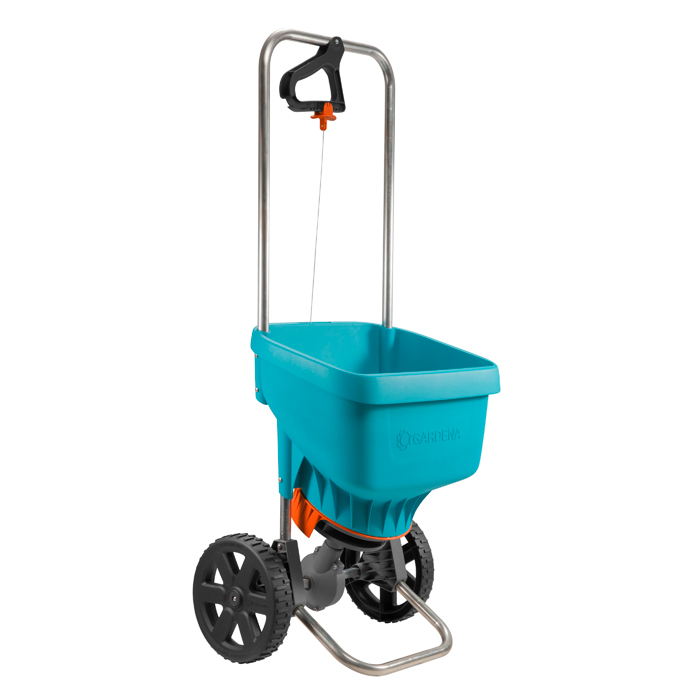
- Moss Control: If moss has taken hold over winter, lightly brush the canopy with a manual spring-tine rake to disrupt loose material. Heavy infestations can be tackled with a moss control treatment applied evenly via a unit chosen from our dedicated Spreaders lineup, avoiding deep mechanical extraction just yet.
Workshop Focus: Pre-Season Machinery Prep
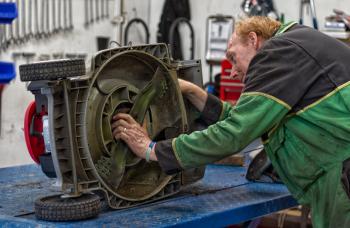
Late winter is the ultimate window to book your machine in with our WGM service team. Mowing with a dull, nicked blade shreds the grass tissue instead of slicing it, leaving frayed, white tips that act as an open invitation for airborne fungal spores. Ensure blades are precision-sharpened, engine oil is refreshed, and the underside of the cutting deck is thoroughly cleared of old, acidic grass cakes. Contact our workshop teams HERE or come in-store.
2. Early to Mid-Spring (Late March – April): The Awakening
By late March, rising soil temperatures trigger active vegetative growth. This is the official starting gun for structural lawn maintenance.
The Reintroduction Cut
For your first mow of the season, always follow the One-Third Rule. Set your mower's cutting height to its maximum setting and take off no more than the top third of the grass blade. This gently reintroduces the plant to structural maintenance without shocking its root system or triggering a surge of growth that drains its energy reserves.
Mechanical Scarification & Aeration
Once the grass is visibly growing and resilient (typically mid-April), it is time for deep renovation:
- Scarification: Ditch the hand tools and utilize a high-performance powered unit from our Lawn Scarifiers selection. Fitted with steel blades, it mechanically slices through buried layers of thatch (dead grass stems and moss) that choke the root zone.
- Aeration: If your soil is heavy clay, spongy, or suffers from high foot traffic, follow scarification immediately with a specialized machine from our Lawn Aerators range. Relieving soil compaction opens up vital pathways for oxygen, water, and micro-nutrients to penetrate directly into the root zone, forcing deeper, more drought-resistant root architecture.
Overseeding & Nutrition
With the soil surface completely opened up by your aerator and scarifier, use a broadcast model from our Spreaders category to apply high-quality grass seed over thin or bare patches. Follow this immediately with a nitrogen-rich spring lawn fertilizer to rapidly jumpstart cellular recovery and push a thick, vibrant green canopy.
3. Late Spring to Early Summer (May – June): Managing Momentum
May and June represent the peak growth curve for UK turf. Your objective transitions from encouraging growth to managing it with absolute consistency.
- Mowing Rigour: Weekly mowing is now essential. You can gradually lower your mower’s cutting deck to your preferred aesthetic height, but never scalp the lawn.
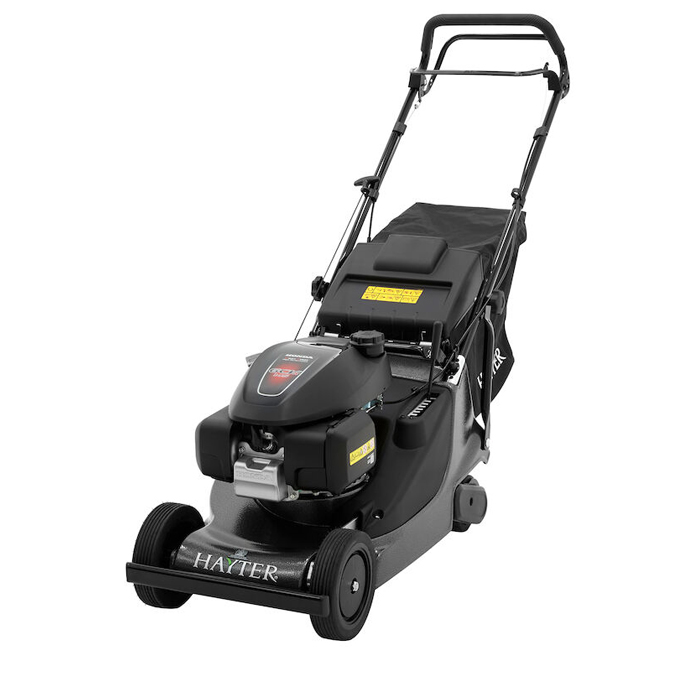
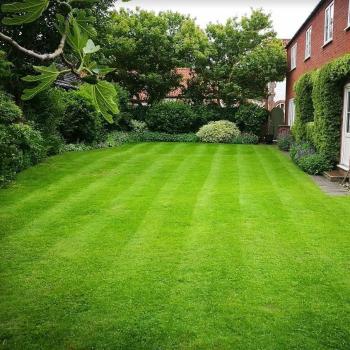
- The Perfect Stripe: If you want to achieve that classic, stately British finish, head straight to our Roller Lawnmowers section. Driven by a heavy full-width rear cylinder, these mowers allow you to drive right over the edge of your flowerbeds and borders without the machine tipping, dropping, or scalping the perimeter, while laying down bold, defined stripes.
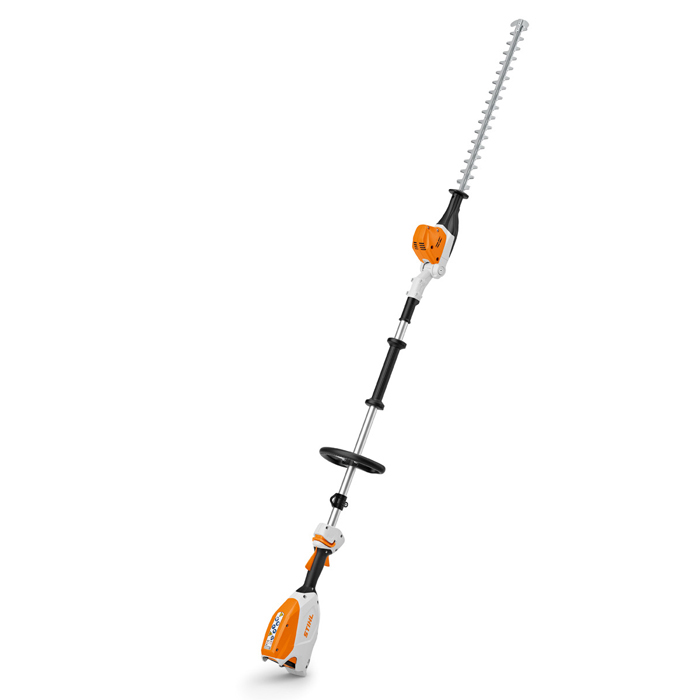
- Weed Control & Hydration: As temperatures settle, broadleaf weeds will begin to compete with your turf. Browse our selection of precision Garden Sprayers to apply selective weed treatments directly to targeted areas, eliminating them before they establish deep taproots. If you need to clean up boundaries or overhanging limbs at the same time, you can find the ideal trimmer or pole tool in our Hedge Cutters and line trimmer ranges.
When dry spells hit in June, adjust your watering habits. Avoid light, daily sprinkles, which encourage weak, shallow root systems that burn out instantly in a heatwave. Instead, run a garden sprinkler deeply once or twice a week, allowing the water to saturate the soil several inches down.
4. Mid to Late Summer (July – August): Defensive Protection
Mid-summer is all about turf preservation. High heat and fluctuating rainfall can place immense stress on your lawn.
Defensive Mowing Adjustments
During prolonged hot, dry periods, raise your mower’s cutting height by 10mm to 15mm. Longer grass blades act as a natural canopy, shading the soil surface below. This lowers the soil temperature, radically slows down water evaporation, and protects the sensitive crown of the grass plant from baking in direct sunlight.
Professional Efficiency
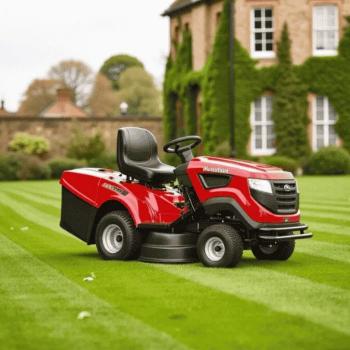
For sprawling gardens and estate lawns, summer maintenance can quickly become a full-time chore. Upgrading to a premium machine from our Ride-on Mowers & Tractors range turns hours of pushing into an exceptionally efficient, comfortable task, ensuring large acreage stays perfectly manicured through peak growth spikes.
Want a solution with less hard work?
Our range of Robotic Lawnmowers is ever-growing. These machines are designed to cut pretty much all-year round(aside from very bad weather or frost), and once setup, can be completely left to it. With smart features like boundary management, weather control and cutting schedules all available within smartphone apps, these machines are the ultimate fit for a lawn you want looking pristine without endless jobs. They also fertilise the lawn giving luscious green grass, as the regular but tiny grass cuttings act as a natural fertiliser.
Click here to read more on Robotic Ranges and what we can offer, with prices starting at just £599!
5. Early Autumn (September): The Ultimate Renovation Window
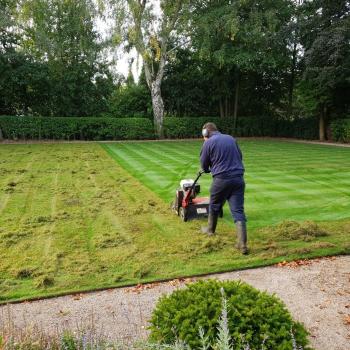
Ask any professional greenkeeper: September is the most critical month of the year for structural lawn repair. The soil retains all the residual heat of the summer, but autumn rains arrive and intense sun exposure drops. This provides the ultimate biological environment for seed germination and root establishment.
Deep Structural Renovation Protocol
- Deep Power Scarification: Phase 1. Select a model from our Lawn Scarifiers line and set it down to its working depth. Run the machine across the lawn in a grid pattern to aggressively rip out the thick thatch mattress and dead moss accumulated over the dry summer months.
- Hollow-Tine Aeration: Phase 2. Pass over the lawn with a unit from our Lawn Aerators collection. Unlike solid tines which push soil aside and can worsen compaction, hollow tines physically extract cylindrical plugs of soil from the ground. This leaves clean, open holes that instantly break up compaction and maximize drainage before winter waterlogging sets in.
- Overseeding & Top Dressing: Phase 3. Utilize a calibrated option from our Fertiliser Spreaders section to distribute premium autumn grass seed across the freshly opened ground. For ultimate success, brush a light top-dressing of organic loam or sand over the lawn to ensure perfect seed-to-soil contact.
- Autumn Feeding: Phase 4. Apply a dedicated autumn fertilizer using your spreader. This formula must be low in nitrogen (to prevent weak, soft leaf growth that gets blasted by frost) and high in potassium and phosphorus to drive massive root development and cell wall strength ahead of winter.
6. Late Autumn to Early Winter (October – December): The Transition to Rest
As daylight hours dwindle through October and November, grass growth slows down dramatically until entering winter dormancy.
Leaf and Canopy Management
The most critical task at this stage is leaf clearance. Never allow a layer of heavy autumn leaves to sit on your grass. Rely on our Leaf Blowers & Vacuums range to find a powerful backpack or handheld unit. A leaf blanket blocks out remaining sunlight, traps stagnant moisture, and is the absolute prime cause of winter turf diseases like Dollar Spot and microdochium patch.

[ Leaf Blanket Layer ] ➔ [ Trapped Stagnant Moisture ] ➔ [ Fungal Disease & Rot ]
The Final Cut and Storage
If the weather remains mild, you can execute a final light tidy-up cut with your mower, but never mow when the ground is frozen or coated in frost, as this fractures the cell walls of the grass plant, leaving black, dead footprints across your lawn. Once finished, thoroughly wash down your machinery, drain the fuel system (or add a fuel stabilizer to prevent ethanol gelling), and store your equipment in a dry, clean environment.
Welcome to the Home of Proper Lawncare
Transforming your lawn into a beautiful outdoor feature is a matter of clear observation, seasonal timing, and steady mechanical intervention. By aligning your maintenance tasks with the natural lifecycle of your grass—and using the premier gear designed for the job—you create a resilient, deep-rooted lawn that stands up to the British elements year after year.
If you are ready to invest in the ultimate tool kit for your garden, Winchester Garden Machinery is your primary partner. Explore our main storefront navigation to find our specialized categories for everything from everyday clipping maintenance to heavy seasonal overhaul gear.
Want to take your lawn care to the next level? Visit one of our showrooms to speak with our technical team, or explore our full range of professional garden machinery online.