
Nature's Free Fertilizer: How Rain and Thunderstorms Restore UK Lawns
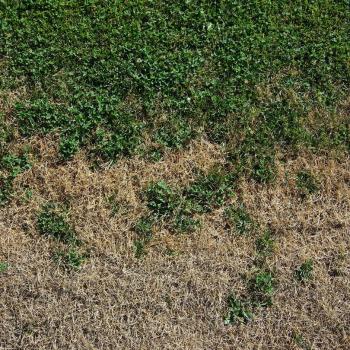
There is a distinct moment after a prolonged summer drought when the UK weather finally breaks. The air cools, the sky darkens, and the scent of rain on dry earth petrichor fills the air. Within days of a proper downpour, a straw-coloured, dormant lawn can seem to miraculously awaken.
While a garden hose can keep grass alive, tap water cannot fully replicate the effects of natural rainfall on a lawn. Rain brings more than moisture: it interacts with the soil, roots and atmosphere in ways that can help drought-stressed grass recover. Nature has its own built-in lawn care system, and one of its most fascinating effects happens during an electrical thunderstorm.
Why Tap Water Is No Match for Natural Rain
When hot, dry weather bakes the soil, mains water feels like the obvious solution. However, tap water and rainwater affect garden soil differently, and rainfall arrives with a combination of moisture and atmospheric compounds that a hose cannot reproduce.
- pH and dissolved minerals: Tap water varies across the UK depending on the local water supply and can contain dissolved minerals such as calcium and magnesium. Rainwater is typically slightly acidic because it absorbs carbon dioxide from the atmosphere. This can influence soil chemistry and nutrient availability, although the effect is usually modest.
- Deep, natural soaking: Sprinklers and hoses can produce surface runoff when dry, compacted or hydrophobic soil struggles to absorb water. Sustained rainfall gives water time to penetrate the ground and replenish moisture deeper in the lawn’s root zone, particularly when the soil is able to absorb it gradually.
- Atmospheric nutrients: Rainwater contains small amounts of dissolved substances from the atmosphere, including nitrogen compounds. Although rainfall is not a substitute for proper lawn fertiliser, these naturally occurring nutrients contribute to the chemistry taking place in the soil.
The biggest benefit of rain after a drought, however, is much simpler: water reaches drought-stressed grass roots, restoring the moisture they need for normal growth and photosynthesis.
The Thunderstorm Effect: Nature’s Nitrogen Switch
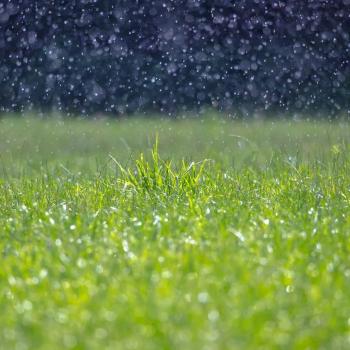
If regular rain is a refreshing drink for the lawn, a summer thunderstorm can add another fascinating ingredient. Gardeners often remark that grass doesn't just recover after a storm—it appears to turn a vivid, electric green almost overnight. This isn't simply an optical illusion; it is partly the result of atmospheric chemistry and renewed soil moisture.
- Breaking the bond: The Earth's atmosphere is roughly 78% nitrogen gas. However, atmospheric nitrogen (N₂) is held together by an extremely strong triple chemical bond, so plants cannot use it directly in this form.
- The electrical arc: A lightning bolt can heat the surrounding air to around 30,000°C. This enormous burst of energy breaks nitrogen and oxygen molecules apart, allowing them to react and form nitrogen oxides.
- Natural nitrogen feed: These nitrogen oxides can dissolve in raindrops and ultimately contribute nitrate and other nitrogen compounds to the soil. The amount delivered by an individual storm is relatively small, but it is a genuine example of natural nitrogen fixation by lightning.
When this thunderstorm rain reaches your garden, it combines moisture with a small amount of naturally occurring nitrogen compounds. Nitrogen is an essential component of chlorophyll and is vital for healthy plant growth and photosynthesis.
That helps explain why a dormant lawn can turn green after rain. Once drought conditions ease, grass has access to the water needed to resume normal physiological activity, while available nutrients - including nitrogen already present in the soil and small amounts introduced by rainfall - support new growth. The transformation can seem almost instantaneous, particularly after a prolonged period of hot, dry weather.
Working With Nature, Not Against It
Understanding how rain helps grass recover from drought reinforces why doing less during a heatwave can sometimes be the smartest lawn-care strategy.
Forcing growth in extremely dry conditions with synthetic fertilisers can increase stress and, when incorrectly applied, can damage or burn grass. Instead, raise the mower blades, avoid unnecessary mowing during drought, water deeply when needed, and wait for suitable weather conditions to return.
When the rain finally arrives, your lawn can make use of the moisture and nutrients already available in the soil. Rather than fighting the weather, good UK lawn care works with it.
The next time a summer thunderstorm rolls across Britain, resist the urge to complain about the ruined barbecue weather. Your lawn is receiving something it has been waiting for: a natural dose of rain, moisture and atmospheric nutrients to help bring drought-stressed grass back to life.
To read more on how to look after your grass during a heatwave in the UK click HERE