Why Doing Less Creates a Greener, Healthier Lawn During a UK Heatwave
As summer heatwaves sweep across the UK, leaving many brown lawns looking like bleached straw, thousands of homeowners ask the same question: Why is my lawn brown after hot weather, and should I water or fertilise it? The knee-jerk reaction is almost universal—reach for the hosepipe, spread lawn fertiliser, and try to force the grass back to life.
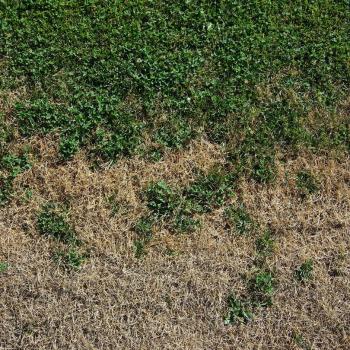
However, lawn care experts advise gardeners to resist this impulse. A brown lawn during a heatwave is rarely a dead lawn. Instead, it is usually displaying a natural survival mechanism known as drought-induced dormancy. Understanding what is happening beneath the soil surface—and why applying lawn feed during hot, dry weather can do more harm than good—is the key to restoring a resilient, lush green lawn once cooler weather returns.
The cool-season grass species found in most UK lawns—including perennial ryegrass, fine fescues and smooth-stalked meadow grass—are naturally adapted to Britain's cooler, wetter climate. When prolonged hot weather raises soil temperatures and moisture disappears from the root zone, these grasses enter dormancy to conserve energy and survive drought conditions.
The Simple Tug Test
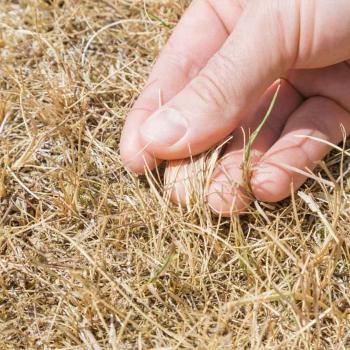
If you're wondering whether your lawn is dead or dormant, perform this quick test:
- Pull firmly on a small clump of brown grass near the base.
- Dormant grass: The roots stay firmly anchored, and the crown appears firm with a white or pale green colour.
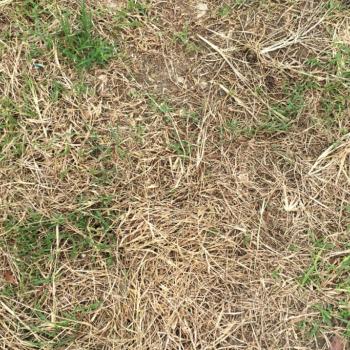
- Dead grass: The grass lifts away easily like loose straw because the roots have failed or become brittle.
Completely dead patches are usually caused by lawn pests such as leatherjackets, disease, severe scalping or prolonged damage rather than drought alone. These isolated areas will normally require overseeding once growing conditions improve.
Should You Fertilise a Brown Lawn During a Heatwave?
A common summer question is: "Should I fertilise my brown lawn?" Lawn care experts say no. Applying fertiliser to drought-stressed grass can do more harm than good.
- Burns Dry Roots: Fertilisers contain mineral salts that can scorch moisture-starved roots when soil is dry.
- Forces Weak Growth: Nitrogen stimulates new leaf growth that the lawn cannot support during drought, leaving grass more vulnerable to heat damage.
- Wastes Nutrients: Fertiliser applied to hard, dry soil is poorly absorbed and can be washed into drains and waterways when heavy rain returns.
The Best Lawn Care During Hot Weather: Do Less
Professional horticulturalists increasingly recommend a low-intervention approach to summer lawn care. Healthy lawns are remarkably resilient and are designed to survive periods of drought with minimal intervention.
Sustainable Lawn Care Principles - Prioritise natural resilience instead of instant cosmetic fixes. Sensible mowing, organic soil improvement and patience encourage deeper rooting, healthier soil biology and stronger grass that naturally recovers after dry weather.
Instead of fighting nature with excessive watering or chemical fertilisers, simply adjust your maintenance routine.
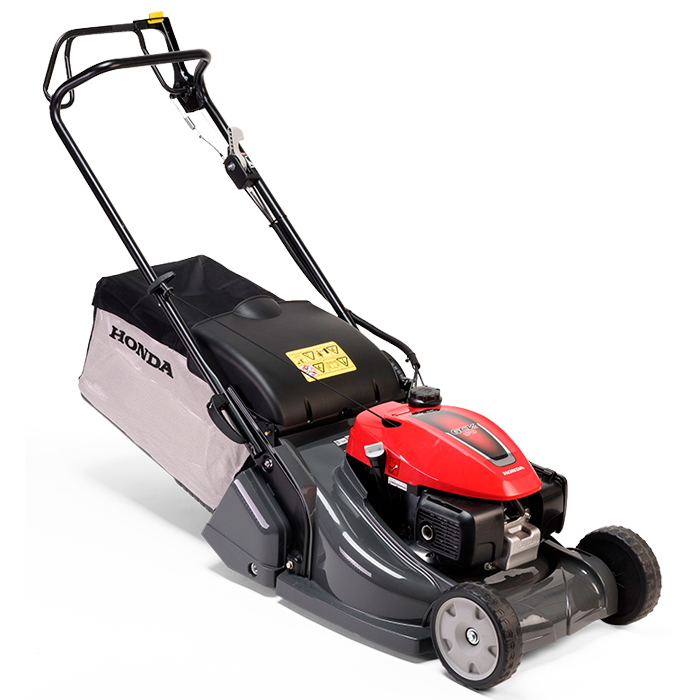
Raise Your Mowing Height - During cooler weather, lawns can often be maintained at around 25 mm (1 inch).
During a heatwave, increase mowing height to approximately 38–50 mm (1.5–2 inches) or even higher.
Longer grass shades the soil, reduces moisture loss through evaporation and helps keep roots cooler.
Mow Less Often - Grass growth slows dramatically during drought.
Reduce mowing from weekly to every two weeks, or stop mowing completely if the lawn has fully entered dormancy.
Feed at the Right Time - Apply organic lawn feeds such as blood, fish and bone during spring or early autumn when soil moisture naturally allows nutrients to be absorbed. Avoid applying fast-release fertilisers during prolonged hot weather.
How to Repair a Brown Lawn After a Heatwave
Once temperatures fall and regular autumn rainfall returns, follow this recovery plan to encourage healthy regrowth.
Phase 1: Rehydrate and Assess
Step 1: Allow Natural Rainfall
Avoid applying fertiliser immediately after the first rainfall.
Allow seven to ten days of consistent rain to soften compacted ground and fully rehydrate dormant grass crowns.
Step 2: Improve Appearance
While waiting for the lawn to recover, tidy the edges using an edging iron. Clean lawn edges immediately improve the appearance of the entire garden.
Phase 2: Restore Soil Health
Step 3: Aerate the Lawn
Compacted soil prevents rainfall reaching deeper roots.
Use a garden fork or mechanical lawn aerator to create holes that improve water penetration, oxygen flow and nutrient uptake.
Step 4: Remove Light Thatch
Once fresh green growth appears, lightly scarify or rake away loose dead material without damaging recovering grass plants.
Phase 3: Overseed and Feed
Step 5: Overseed Bare Areas
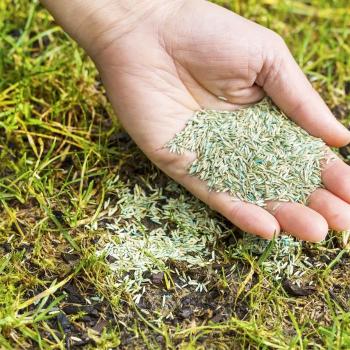
Repair genuinely dead patches by lightly cultivating the soil, applying a quality ryegrass and fescue lawn seed mixture, and firming seed into the surface before watering if necessary.
Step 6: Apply an Autumn Lawn Feed
Only feed once the lawn has returned to active growth.
Choose an autumn lawn fertiliser with high potassium (K), moderate phosphorus (P) and relatively low nitrogen (N). This strengthens root development, improves winter hardiness and enhances disease resistance without encouraging excessive leaf growth.
A brown lawn during a summer heatwave is not usually a sign of failure—it is evidence that your grass is using its natural drought survival strategy. By avoiding unnecessary fertiliser, raising your mower height, mowing less frequently and allowing rainfall to restore soil moisture naturally, you protect the root system and give your lawn the best chance of returning as a thicker, greener and healthier sward in autumn.