Future-Proofing Your Lawn - Understanding Grass Species & Overseeding
Traditional UK lawns are dominated by standard Perennial Ryegrass (Lolium perenne), which relies heavily on shallow surface roots (typically 5-10 cm deep). During sustained dry spells, standard ryegrass quickly goes dormant, turning brown and straw-like. Overseeding your lawn with deep-rooting and drought-tolerant cultivars creates a resilient turf that stays lush and green far longer into a heatwave.
Detailed Breakdown of Grass Seed Species for UK Lawns
Understanding the specific traits of individual grass species allows you to select or blend the ideal seed mix for your lawn's layout, foot-traffic levels, and soil type.
1. Tall Fescue (Festuca arundinacea) – The Drought Workhorse
- Rooting Depth: Very Deep (50–90 cm)
- Drought Tolerance: Exceptional | Wear Tolerance: High | Shade Tolerance: Moderate | Establishment: Moderate (10–14 days)
- Best For: High-heat areas, sunny lawns, clay soils, and properties prone to strict water hosepipe bans.
- Characteristics: Tall Fescue is the champion of drought tolerance in modern turf management. Its extensive taproot system tunnels deep into the subsoil to draw up moisture long after surface soil has dried out. Modern turf-type Tall Fescues have been bred with fine, dark-green leaves that blend seamlessly with ornamental lawns, overcoming the coarse texture of older agricultural varieties.

2. Creeping Red Fescue (Festuca rubra rubra) – The Spreading Adaptor
- Rooting Depth: Medium-Deep (20–40 cm)
- Drought Tolerance: High | Wear Tolerance: Moderate | Shade Tolerance: Very High | Establishment: Moderate (10–14 days)
- Best For: Sandy soils, shady borders, low-maintenance lawns, and filling in damaged patches.
- Characteristics: Creeping Red Fescue spreads via underground rhizomes (horizontal stems), allowing it to self-repair and knit together thin spots in the lawn. It thrives on poor, nutrient-deficient, or acidic soils where other grasses fail.
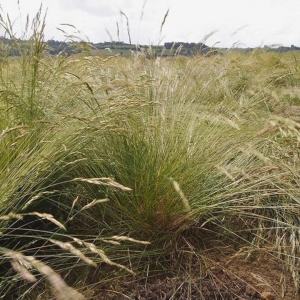
3. Chewings Fescue (Festuca rubra commutata) – Premium Ornamental Density
- Rooting Depth: Medium (20–30 cm)
- Drought Tolerance: High | Wear Tolerance: Moderate | Shade Tolerance: High | Establishment: Moderate (10–14 days)
- Best For: Formal front lawns, bowling greens, and fine-turf decorative areas.
- Characteristics: A dense, tufted grass with a rich green appearance and very fine blades. Chewings Fescue handles close mowing better than Creeping Red Fescue and maintains a clean aesthetic even under dry conditions.
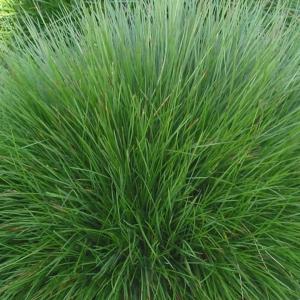
4. Hard Fescue & Sheep's Fescue (Festuca trachyphylla / Festuca ovina) – Low-Input Champions
- Rooting Depth: Deep (30–50 cm)
- Drought Tolerance: Exceptional | Wear Tolerance: Low to Moderate | Shade Tolerance: High | Establishment: Slow (14–21 days)
- Best For: Wildflower meadows, slopes, embankments, and minimal-maintenance lawns.
- Characteristics: Extremely tough, slow-growing grasses that survive on minimal water and zero fertilizer. They require very infrequent mowing and maintain structural stability on steep banks.
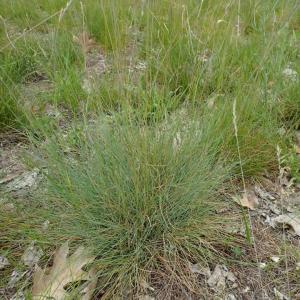
5. Turf-Type Perennial Ryegrass (Lolium perenne) – The Rapid Restorer
- Rooting Depth: Shallow (5–15 cm)
- Drought Tolerance: Low to Moderate | Wear Tolerance: Exceptional | Shade Tolerance: Low | Establishment: Very Fast (4–7 days)
- Best For: High-traffic family lawns, dog-walking areas, and quick repairs.
- Characteristics: While standard agricultural ryegrass struggles in droughts, modern drought-selected turf-type ryegrass cultivars germinate rapidly and establish quickly. Including a small percentage (20–30%) in a seed blend provides rapid initial green-up while the deeper-rooting fescues establish underneath.
Recommended Seed Blends for Various Lawn Types
- Family All-Rounder Blend: 50% Tall Fescue + 30% Creeping Red Fescue + 20% Turf Ryegrass (Combines deep drought survival with fast wear recovery).
- Fine Ornamental Blend: 50% Chewings Fescue + 50% Creeping Red Fescue (Creates a dense, drought-proof, luxury carpet for formal front lawns).
- Shady & Dry Border Blend: 40% Creeping Red Fescue + 30% Hard Fescue + 30% Chewings Fescue (Ideal under large trees where tree roots strip moisture and light).
Step-by-Step Overseeding Procedure
1.Prep the Lawn Surface:Late summer/early autumn or early spring.
Scarify thoroughly to rake out thatch, moss, and dead plant matter. Exposing bare soil is critical so new seed makes direct contact with the ground rather than resting on top of organic debris.
2.Spike & Aerate Deeply:
Use a hollow-tine aerator, lawn spiking machine, or garden fork to create deep core holes across the lawn. Aeration breaks up hard pan compaction and encourages young roots to dive deep into the subsoil rather than remaining near the surface.
3.Broadcast the Drought-Resistant Seed Mix:
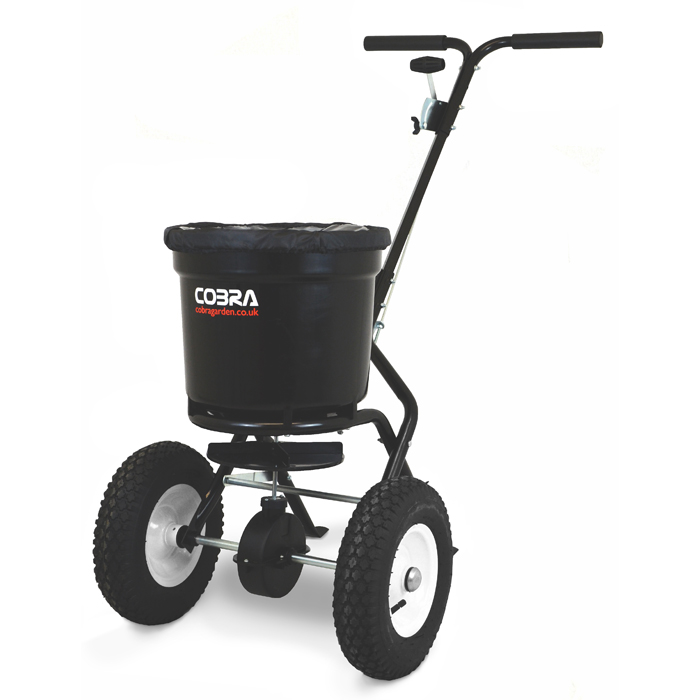
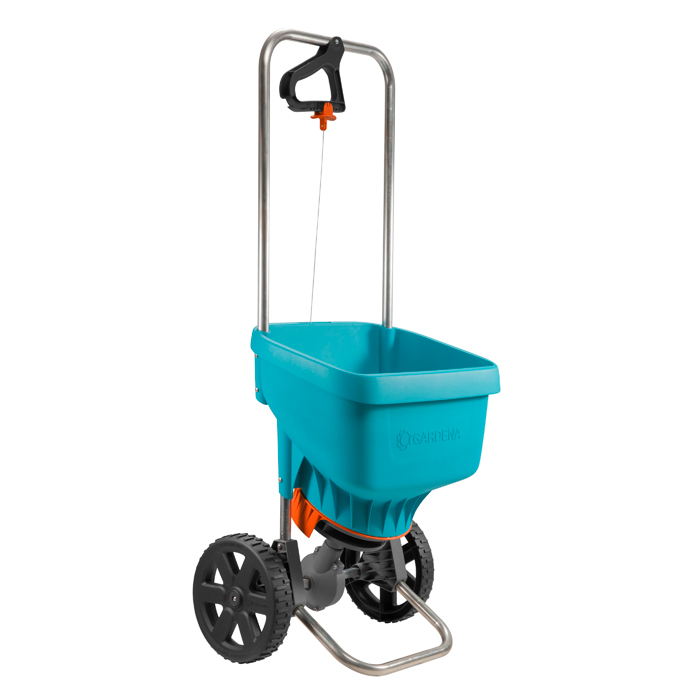
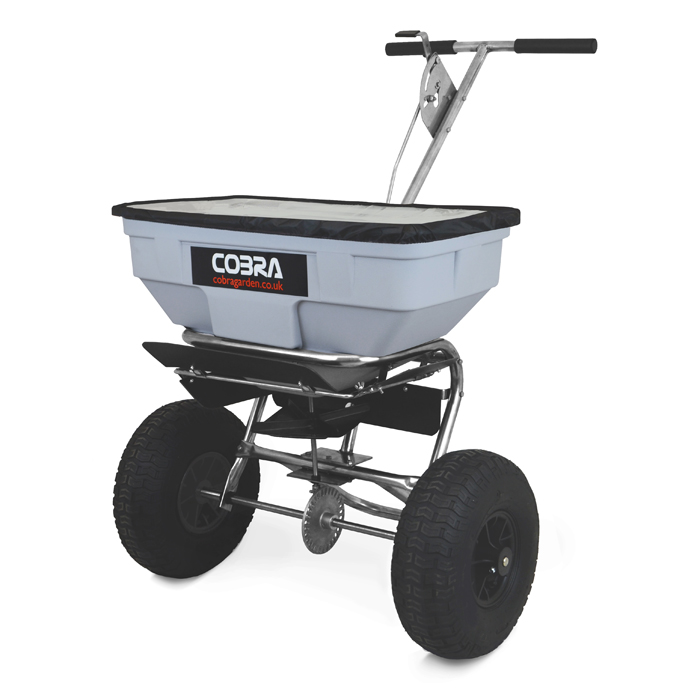
Select a seed blend rich in Tall Fescue and Red Fescue species. Apply evenly using a broadcast spreader at a rate of 35 g/m² for overseeding (or 50 g/m² for bare patches).
4.Top-Dress & Consolidate:
Apply a light layer (3–5 mm) of high-quality top-dressing mix (combining washed sand and green waste compost) over the seeded area. Roll or press lightly to ensure seed-to-soil contact and hold moisture during germination.
5.Establishment Watering:
Keep the topsoil consistently moist with light, frequent watering for the first 14–21 days until germination is complete, then transition to less frequent, deeper watering to encourage deep rooting.
Lawn Maintenance Adjustments for Warmer Weather
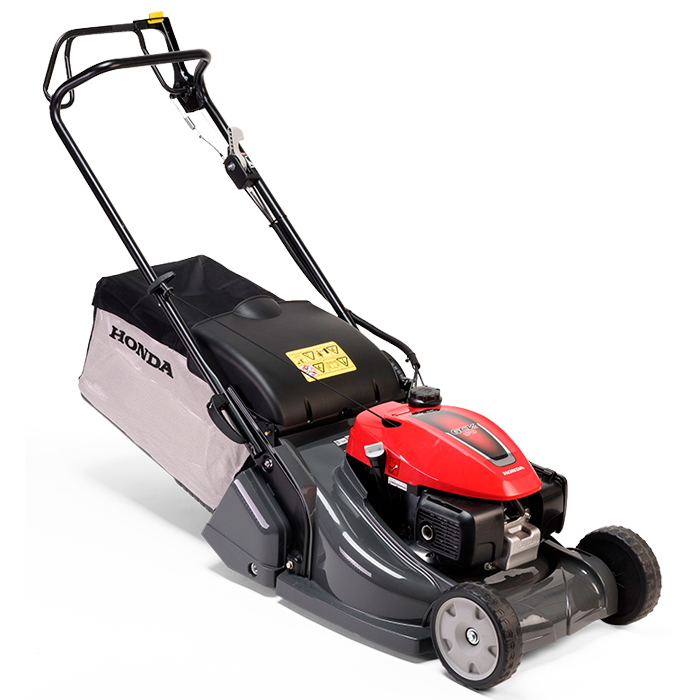
- Raise Mowing Deck Heights: Set your mower deck higher - aiming for 40–50 mm minimum - during summer dry spells. Taller grass blades shade the soil surface, keeping root zones cool and drastically slowing moisture loss through evaporation.
- Utilize Mulching Features: Switch your lawn mower or robotic mower to mulching mode. Fine clippings act as a natural top mulch, locking in moisture and recycling nitrogen directly back into the root zone.
- Sharpen Mower Blades: Dull blades tear grass rather than cutting cleanly. Torn grass tips turn brown quickly and lose significantly more water through open plant wounds during hot weather.
For more expert tips on maintaining a healthy lawn, explore our guide on The Art and Science of Mulching.