
The Art & Science of Mulching - Unlocking Your Lawn's Natural Potential
Following on from our recent guide on future-proofing your lawn for warmer climates, there is one cultural practice that stands above the rest for building drought resilience, improving soil health, and reducing fertilizer dependency: the art of mulching.
When done correctly, the benefits of mulching are transformative. Rather than collecting clippings and hauling away valuable organic material, mulching creates a self-sustaining cycle where your lawn feeds and protects itself naturally.
What Is Mulching and How Does It Work?
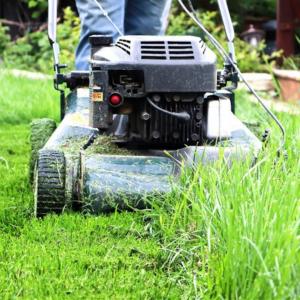
Mulching is not simply mowing without a collection bag. Standard mowing chops grass blades once and drops long stems onto the lawn, which can smother grass and form unsightly clumps.
True mulching relies on specialized mulching mowers or robotic mowers engineered with high-lift blades, rounded deck chambers, and built-in baffles.
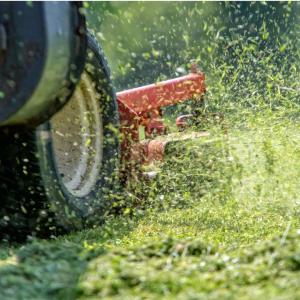
When grass enters the mulching chamber, air currents hold the clippings suspended so the blade chops them multiple times before they fall. The result is a fine, dust-like leaf micro-particle that drops directly down into the turf canopy, resting on the soil surface rather than sitting on top of the grass blades.
The Golden Rule: The 1/3 Mowing Principle
To master the art of mulching, frequency is everything. The core principle of successful mulching is never removing more than one-third of the grass blade's height in a single pass.
- Standard Weekly Cut Example: If your target lawn height is 40 mm, you should mow as soon as the grass reaches 60 mm.
- Why Frequent Cutting Matters: Removing only the top third ensures the clippings are soft, juicy tissue that the mower can easily pulverize. Taking off too much at once overloads the mulching chamber, producing heavy clumps that block light and encourage turf diseases.
This is where robotic mowers excel. By cutting tiny fractions of a millimetre every single day, robotic mowers continuously feed micro-clippings into the soil without ever stressing the plant.
Nature’s Free Fertilizer: Nitrogen, Phosphate & Potash
Grass blades are composed of up to 85–90% water, with the dry matter packed full of essential plant nutrients. Because grass tissue is soft and hydrated, fine micro-clippings decompose extremely fast; often within 7 to 14 days.
However, clippings also lose their energy rapidly once severed. By chopping them into microscopic pieces, you expose maximum surface area to beneficial soil microbes, accelerating the breakdown process immediately after cutting.
As these micro-clippings decompose, they return a balanced, natural nutrient feed directly back into the immediate root zone right when the lawn needs it most:
- Nitrogen (N): Promotes rich green color and foliage growth. Regular mulching can provide up to 25% to 30% of your lawn's annual nitrogen requirement for free.
- Phosphate (P): Strengthens root development and helps young grass plants establish.
- Potassium/Potash (K): Enhances cell wall strength, boosting stress tolerance against heat, cold, and disease.
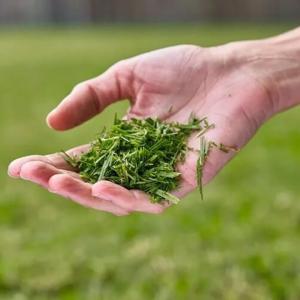
By recycling these nutrients continuously, you significantly reduce the need for synthetic fertilizers while maintaining a healthier, more biologically active soil structure.
Moisture Retention: Protecting Soil from Direct Sunlight
As summer dry spells become longer and more intense, soil protection is critical. When exposed to direct heat and sunlight, bare topsoil quickly dries out, hardens, and cracks, causing surface roots to wither.
Fine mulched clippings fall below the grass canopy to form a micro-protective barrier over the topsoil:
- Shading the Root Zone: This organic layer acts like a miniature shade blanket, blocking direct UV rays from scorching the soil surface.
- Trapping Subsoil Moisture: The mulch layer drastically slows evaporation, holding moisture in the upper root zone for much longer after rainfall or early-morning dew.
- Regulating Soil Temperatures: By keeping the ground cooler during peak midday heat, grass roots suffer far less heat shock and remain active for longer into summer.
Staying Green 2 Weeks Longer in a Drought
The combination of continuous organic feeding and moisture retention yields one remarkable, proven result: a properly mulched lawn will typically stay lush and green for up to two weeks longer during a prolonged drought period compared to a lawn where clippings are collected and removed.
When surrounding lawns begin to turn brown and enter summer dormancy, a mulched lawn draws on its deeper soil moisture reservoir and micro-nutrients to withstand heat stress far longer.
Quick Tips for Mulching Success
- Keep Blades Razor-Sharp: Dull blades tear grass rather than chopping it cleanly, leaving frayed tips that turn brown and lose excess moisture.
- Mow When Dry: Mulch when the grass is dry to prevent clippings from balling together inside the deck chamber.
- Clear Heavy Leaves First: While a few autumn leaves can be mulched into the lawn, heavy piles of thick leaves should be cleared to prevent smothering the turf.
- Use the Right Equipment: Ensure your mower is fitted with a dedicated mulching plug, mulching blade, or automated mulching deck.
Related Product
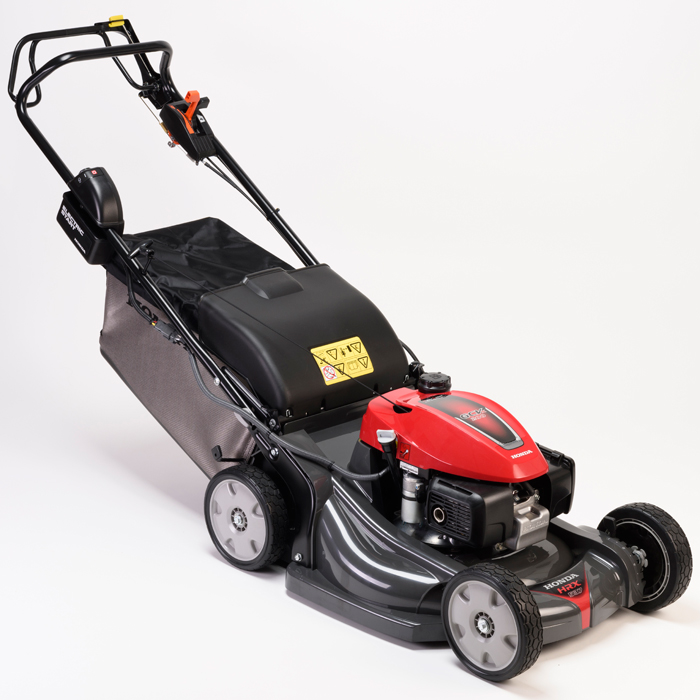
Honda HRX 537 HZ 21" Variable Speed Petrol Lawn Mower with optional Mulching and Electric Start
£1,495.00 (Inc VAT)
In Stock
Product Link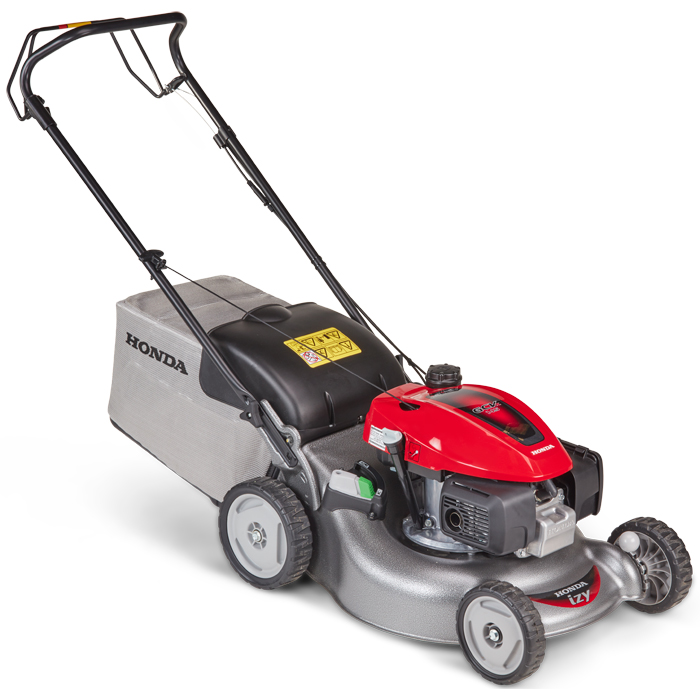
Honda IZY HRG 466 SK EP 18" Self Propelled Mulching Petrol Lawn Mower
£638.00 (Inc VAT)
Out of Stock
Product Link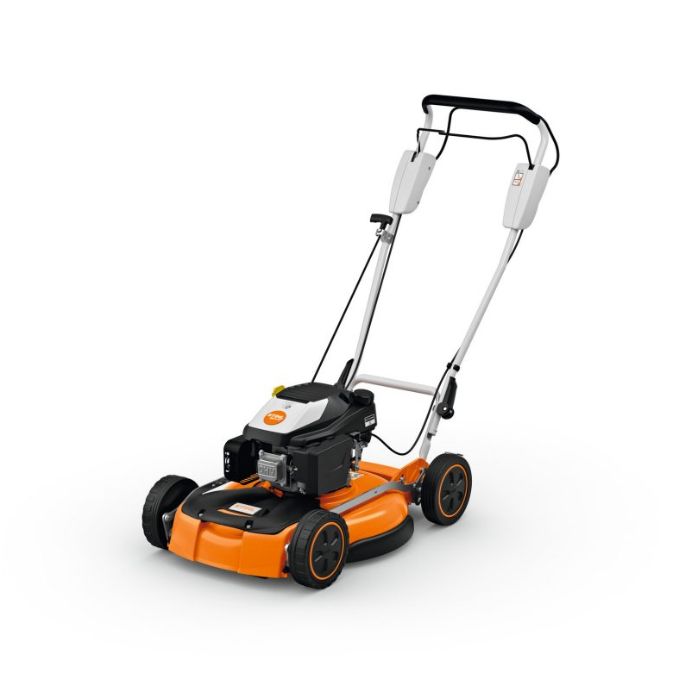
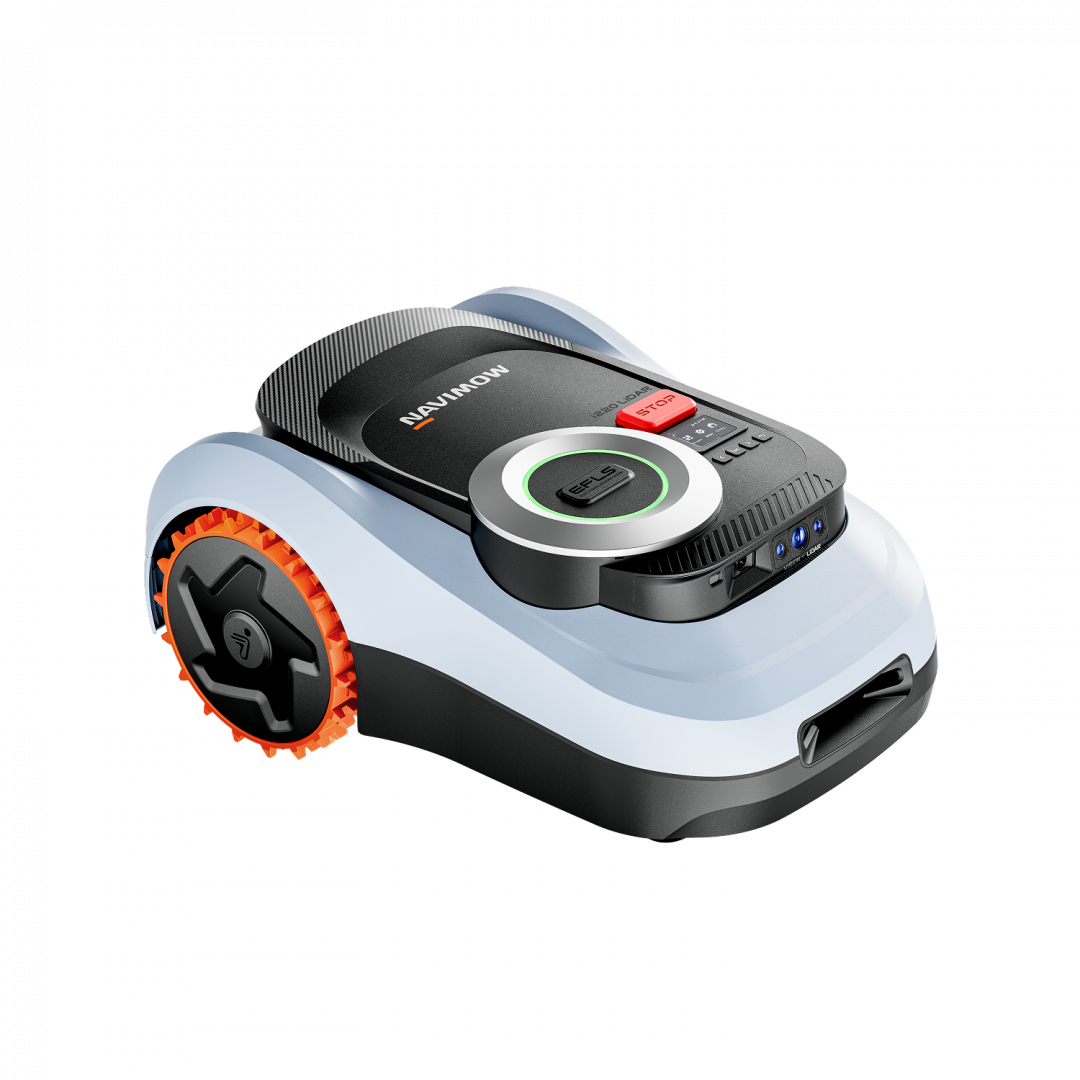
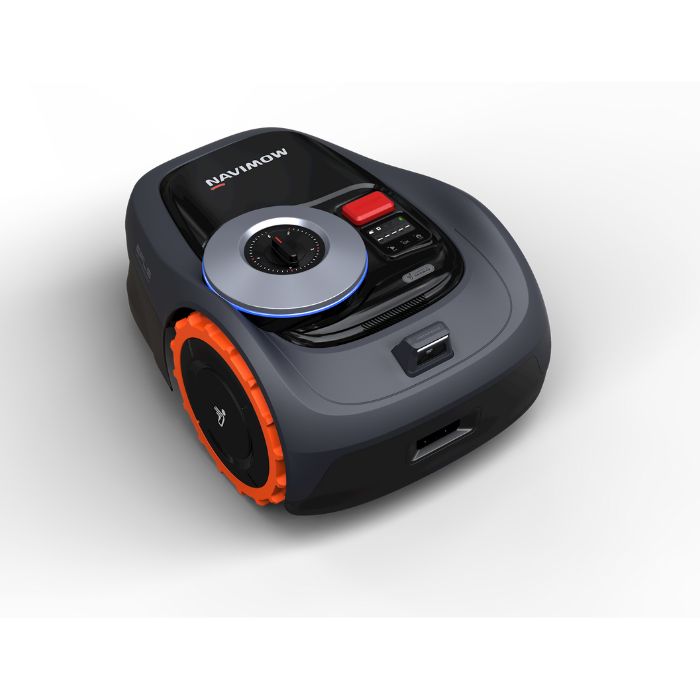
Segway Navimow I108E Robotic Mower (With FREE 4G Module)
£699.00 (Inc VAT)
Out of Stock
Product Link