Which Lawnmower Should I Buy? The Ultimate Lawnmower Buying Guide
Choosing the best lawnmower for your garden involves more than simply picking a brand. You need to consider your lawn size, terrain, preferred power source, cutting requirements and how much physical effort you want to put into mowing. With so many lawnmowers available, understanding the differences between petrol, battery and electric models, push and self-propelled drive systems, and grass collection options is essential to making the right choice.
Part 1: Choosing the Right Lawnmower Power Source
Before comparing cutting widths, drive systems and grass collection features, decide how you want your lawnmower to be powered. Most walk-behind lawnmowers fall into three main categories: mains electric, battery-powered cordless and petrol.
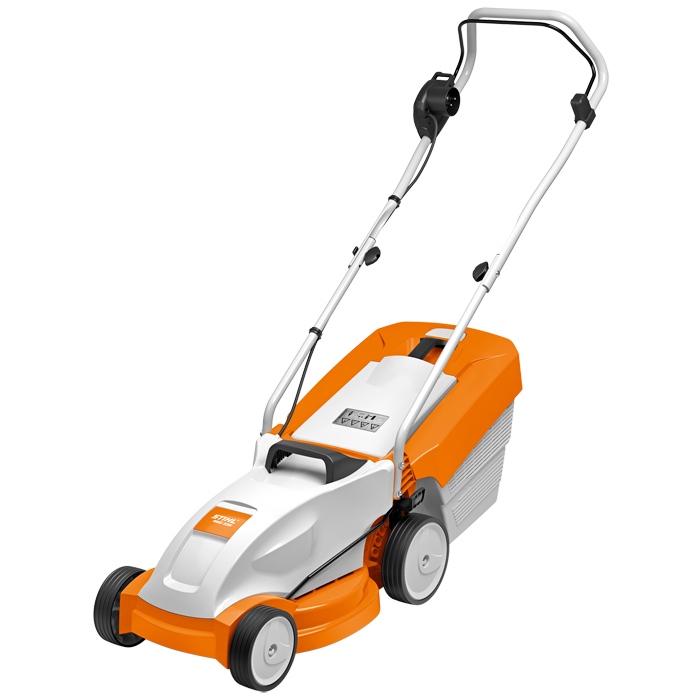
Mains Electric Lawnmowers (Corded)
-
Best for: Small, flat domestic lawns close to a power supply.
-
Pros: Lightweight, affordable, easy to start and offers continuous operation without battery charging or refuelling.
-
Cons: Restricted by cable length and socket location, with extra care needed when managing the power cable.
-
Overview: Corded electric lawnmowers plug into a suitable household power supply and typically start at the press of a button. Their lightweight design makes them ideal for smaller gardens where manoeuvrability, simple operation and a lower purchase price are priorities.
Battery-Powered Lawnmowers (Cordless)
-
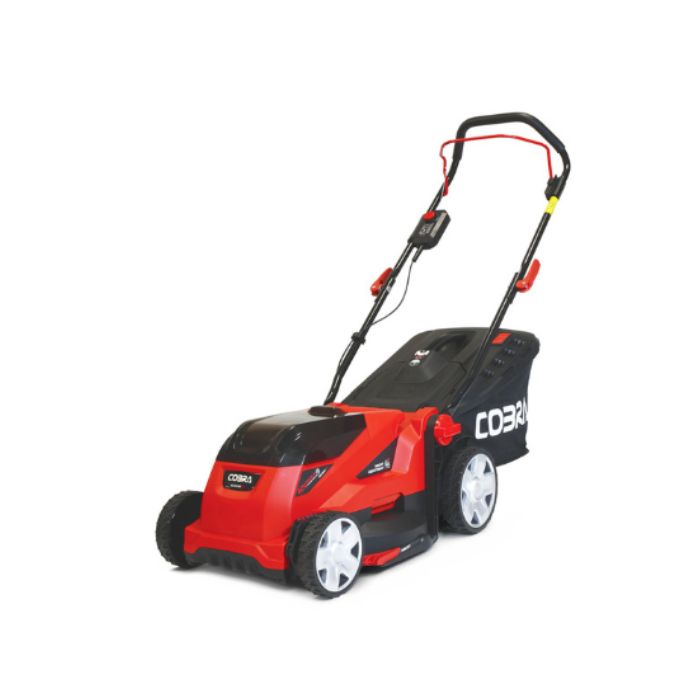
Best for: Small to large domestic gardens where convenience, quieter operation and freedom from power cables are important.
-
Pros: Cord-free mowing, relatively low maintenance, quieter operation than many petrol models and no direct exhaust emissions during use.
-
Cons: Limited runtime per charge, battery replacement costs and a potentially higher initial investment.
-
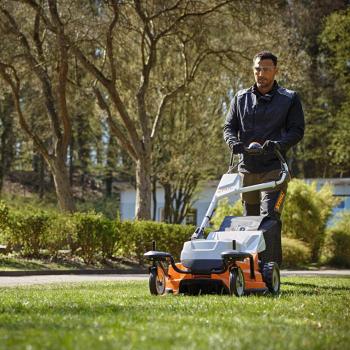
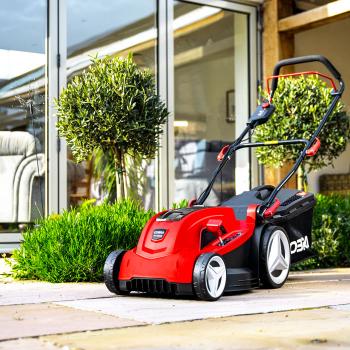
Overview: Modern cordless battery lawnmowers have become a popular choice for homeowners seeking a convenient alternative to petrol. Advances in lithium-ion battery technology offer impressive cutting performance without petrol fumes, engine servicing or pull-cord starting. Depending on the model, batteries may also be compatible with other garden tools within the same manufacturer's battery platform.
Brands such as STIHL, Honda and EGO offer battery-powered garden machinery, although battery compatibility varies between models and systems. Consider battery capacity, charging time and the manufacturer's recommended lawn size when choosing a cordless mower.
Petrol Lawnmowers
-
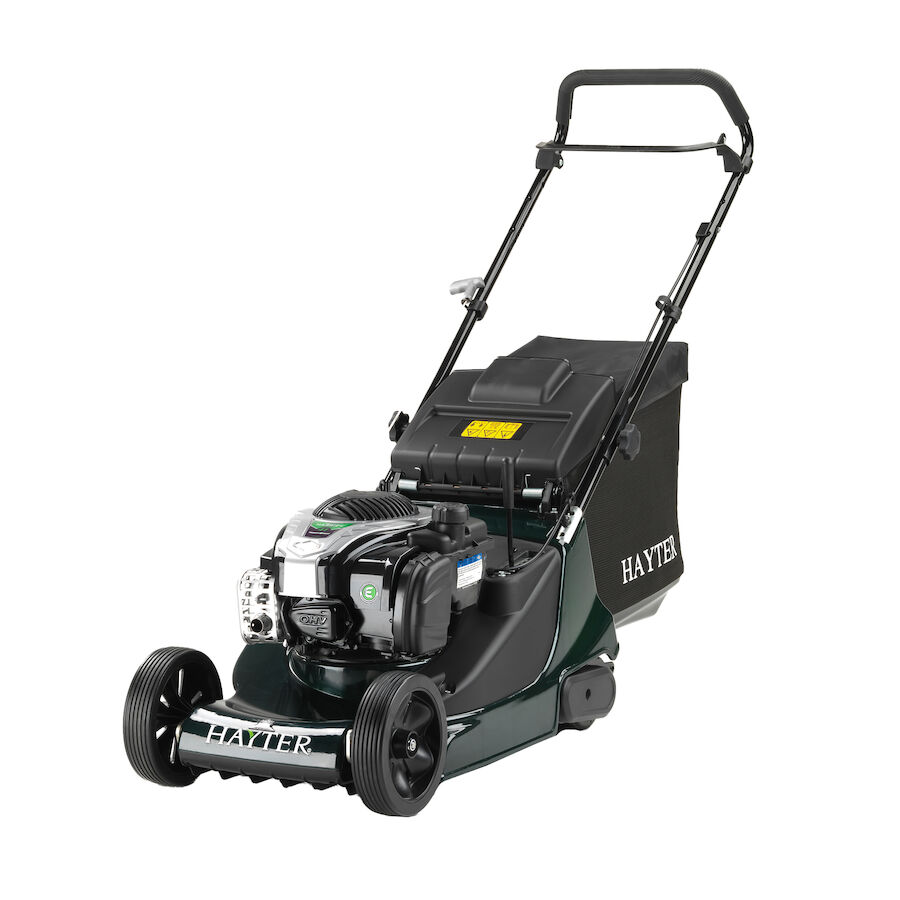
Best for: Larger lawns, demanding mowing conditions and areas where charging facilities or power outlets are impractical.
-
Pros: Strong cutting performance, freedom from power cables and the ability to refuel and continue working.
-
Cons: Generally noisier and heavier than comparable electric models, with additional fuel, oil and engine maintenance requirements.
-
Overview: Petrol lawnmowers remain a dependable option for demanding lawn care and larger areas of grass. Many models feature four-stroke engines designed to handle established lawns, thicker grass and extended mowing sessions. Self-propelled petrol mowers can be particularly useful on larger lawns where pushing a heavy machine would be tiring.
Part 2: Push vs Self-Propelled Lawnmowers
Once you've chosen your preferred power source, the next decision is whether to buy a push lawnmower or a self-propelled lawnmower. This choice affects how much effort mowing requires, how easily you can manoeuvre around obstacles and how comfortable the machine is to use across your garden.
What Is a Push Lawnmower?
A push lawnmower relies on you to move the machine forward. Its engine or electric motor powers the cutting blade, but you provide the force needed to push the mower across the lawn.
Because push mowers don't have a powered wheel-drive system, many models are lighter, simpler and easier to manoeuvre around flower beds, garden ornaments, trees and narrow borders.
A push mower is often the best lawnmower choice for smaller, relatively flat gardens where mowing distances are short and ease of storage is important.
What Is a Self-Propelled Lawnmower?
A self-propelled lawnmower uses motor or engine power to drive its wheels as well as operate the cutting blade. Once the drive system is engaged, the mower moves forward while you guide and steer it.
Self-propelled lawnmowers are particularly useful for larger gardens, longer mowing sessions and suitable sloping lawns, as they reduce the physical effort required to move the machine.
Common drive systems include:
-
Single-speed self-propelled mowers: Travel at a preset speed designed to provide a consistent walking pace.
-
Variable-speed self-propelled mowers: Allow you to adjust the drive speed to suit your walking pace, lawn conditions and mowing preferences.
Push vs Self-Propelled Lawnmowers: Which Is Best?
Lawn Size and Mowing Efficiency
-
Small lawns: A push mower is often sufficient for compact gardens. Short mowing distances and a lightweight design make it easy to turn and navigate around obstacles.
-
Medium-sized lawns: Both push and self-propelled mowers can be suitable. A push model may be sufficient on level ground, while self-propulsion can make regular mowing more comfortable.
-
Large lawns: A self-propelled lawnmower can significantly reduce pushing effort over long distances, helping you mow more comfortably and maintain a consistent pace.
Terrain and Slopes
Push lawnmowers generally work best on level ground or gentle slopes. Steeper inclines can make pushing more demanding, particularly with heavier machines.
A self-propelled mower can reduce the effort needed on suitable slopes by driving its wheels forward. However, not every mower is designed for steep terrain, and safe operation depends on the model, ground conditions and manufacturer's instructions.
Weight and Manoeuvrability
-
Push lawnmowers: Often lighter and mechanically simpler, making them easier to turn, transport and store. They can be particularly convenient in gardens with tight corners and narrow borders.
-
Self-propelled lawnmowers: Usually heavier because of their additional drive components. Although the powered drive reduces effort during mowing, the extra weight can still be noticeable when manoeuvring, reversing or moving the mower with the drive disengaged.
Price and Maintenance
-
Push lawnmowers: Typically offer a lower purchase price and fewer drive components to maintain, making them an attractive option for budget-conscious homeowners.
-
Self-propelled lawnmowers: Usually cost more because of their additional transmission and drive mechanisms. Depending on the model, belts, cables and other drive components may require periodic inspection or maintenance.
For larger lawns or gardens with suitable slopes, the added convenience of a self-propelled mower can justify the higher purchase price.
Part 3: Lawnmower Grass Collection Options
How your lawnmower handles grass clippings affects the appearance of your lawn, the time spent on garden maintenance and the condition of your turf. The three common grass management options are cut and collect, mulching and side discharge.
1. Cut and Collect Lawnmowers
-
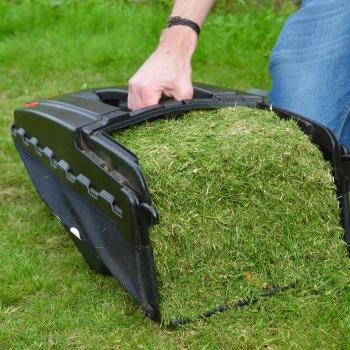
How it works: The rotating blade creates airflow that lifts grass clippings into a rear-mounted grass collection box or bag.
-
Best for: Homeowners who want a neat lawn finish, prefer not to leave clippings on the surface or want to collect suitable grass clippings for composting.
A lawnmower with a grass collection box is an excellent choice for maintaining formal lawns and regularly used garden spaces. Check the collection box capacity, as larger boxes can reduce the number of stops needed to empty clippings.
2. Mulching Lawnmowers
-
How it works: A mulching mower cuts grass into fine pieces that are redistributed across the lawn rather than collected in a grass box.
-
Best for: Regular lawn maintenance during the growing season, particularly when the grass is dry and isn't excessively long.
Mulching returns organic material and nutrients to the soil, helping support healthy lawn growth while reducing the need to dispose of grass clippings. For the best results, mow regularly and avoid mulching excessively long or wet grass, which can leave visible clumps on the lawn.
Some lawnmowers offer a dedicated mulching function or optional mulching accessories, allowing you to choose between collecting clippings and returning them to the turf.
3. Side-Discharge Lawnmowers
-
How it works: Grass clippings are expelled through a side-discharge chute rather than being collected in a grass box.
-
Best for: Suitable areas with longer grass, larger open spaces, orchards and utility areas where collecting every clipping isn't necessary.
Side discharge allows grass to leave the cutting deck quickly and can be useful when cutting grass that would otherwise fill a collection box rapidly. However, very long grass may require several passes, and wet conditions can still cause clumping or blockages.
If you regularly maintain different types of lawn or grassed areas, a mower offering collection, mulching and side discharge can provide greater versatility.

Summary Checklist: Which Lawnmower Should You Buy?
Use this quick lawnmower buying checklist to narrow down your options.
-
Choose a corded electric or battery push mower if: You have a small, relatively flat lawn, limited storage space, flower beds to navigate and a budget-conscious approach to lawn care.
-
Choose a battery or petrol self-propelled mower if: You have a medium-to-large lawn, want to reduce pushing effort or regularly mow suitable sloping or uneven ground.
-
Choose a mower with collection, mulching and side-discharge options if: You want flexibility for different grass lengths, seasonal conditions and lawn maintenance requirements.
Before purchasing, consider your lawn's total area, cutting width, battery runtime or fuel requirements, grass box capacity, storage space and the availability of servicing and replacement parts. Choosing the right combination of features will help you find a lawnmower that suits your garden and long-term maintenance needs.
With over 50 years of experience in garden machinery, Winchester Garden Machinery (WGM) offers an extensive range of lawnmowers from leading manufacturers, including Hayter, Toro, Honda, STIHL, Husqvarna, Cobra, EGO, Weibang and many more.
Whether you're looking for a lightweight cordless lawnmower for a small garden, a powerful petrol mower for a larger lawn or a self-propelled model to make mowing easier, our range offers options for a variety of gardens and budgets.
Choosing between lawnmower power sources, cutting widths, drive systems and grass collection features can feel overwhelming. Our knowledgeable team across our showrooms can help you compare models, identify the right machine for your lawn and access appropriate aftersales support.
Explore the lawnmower range at Winchester Garden Machinery or visit your nearest WGM showroom for expert advice on choosing the best lawnmower for your garden.
Related Product
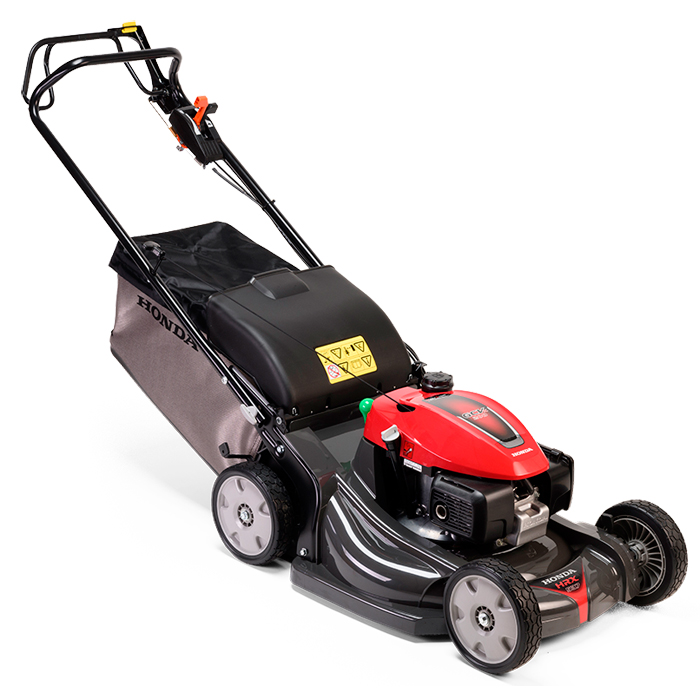
Honda HRX 476 HY 19" Variable Speed Petrol Lawn Mower with optional Mulching
£995.00 (Inc VAT)
In Stock
Product Link
Honda HRD 536 QX 21" Rear Roller Self Propelled Petrol Lawn Mower
£1,359.00 (Inc VAT)
In Stock
Product Link